Cleaning tools are the least glamorous purchase in any kitchen and often the most neglected, which is odd because they touch your dishes, floors and counters more than anything else. A worn-out scrub pad, a smelly mop or a broom that sheds bristles does not just clean badly; it can spread grime and bacteria around. In Indian kitchens, where oily cooking, hard water and monsoon humidity are the norm, the right cleaning tools make the difference between a genuinely hygienic kitchen and one that only looks clean.
The category is broader than most people realise: scrub pads and sponges for dishes, dish and bottle brushes, spin mops and self-wringing mops for floors, brooms, and microfibre cloths for counters and glass. The recurring themes when buying are hygiene, whether heads are replaceable, how well a tool copes with hard-water stains and grease, and how quickly it dries, because a tool that stays damp breeds smell and bacteria. Spending a little more on replaceable-head designs usually costs less over a year than repeatedly buying disposable ones.
This guide covers what actually matters: material and abrasiveness, replaceable versus fixed heads, hygiene and drying, and the specific Indian pain points of hard-water scaling and monsoon dampness. The aim is to build a small, effective cleaning kit that you can keep hygienic, rather than a drawer of tired, smelly tools you keep meaning to replace.
Our top cleaning tools picks
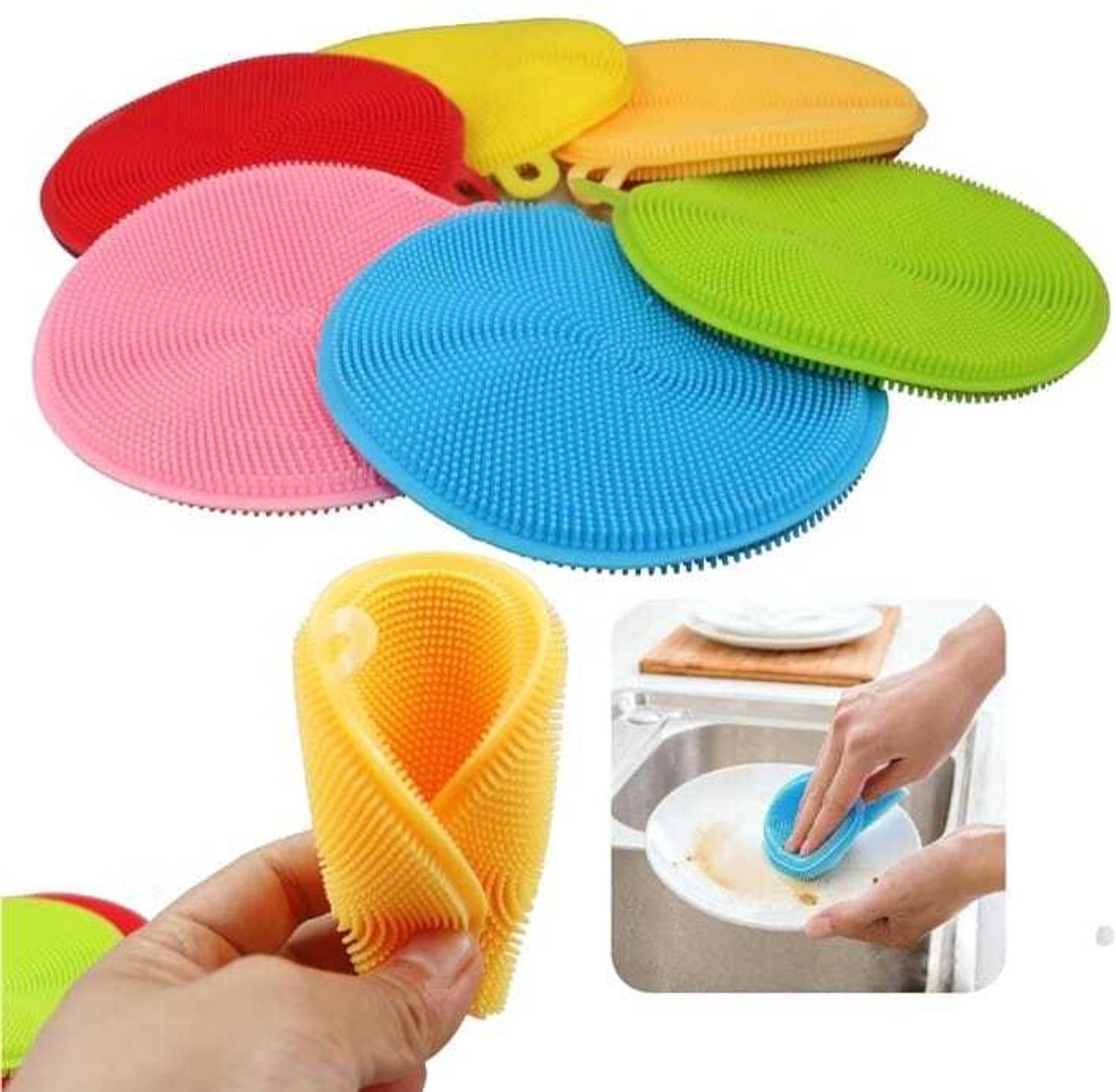
YUNAJO Food Grade BPA-Free Silicone Dish Scrubber Sponge for Dishes, Fruits & Veggies Scrub Pad
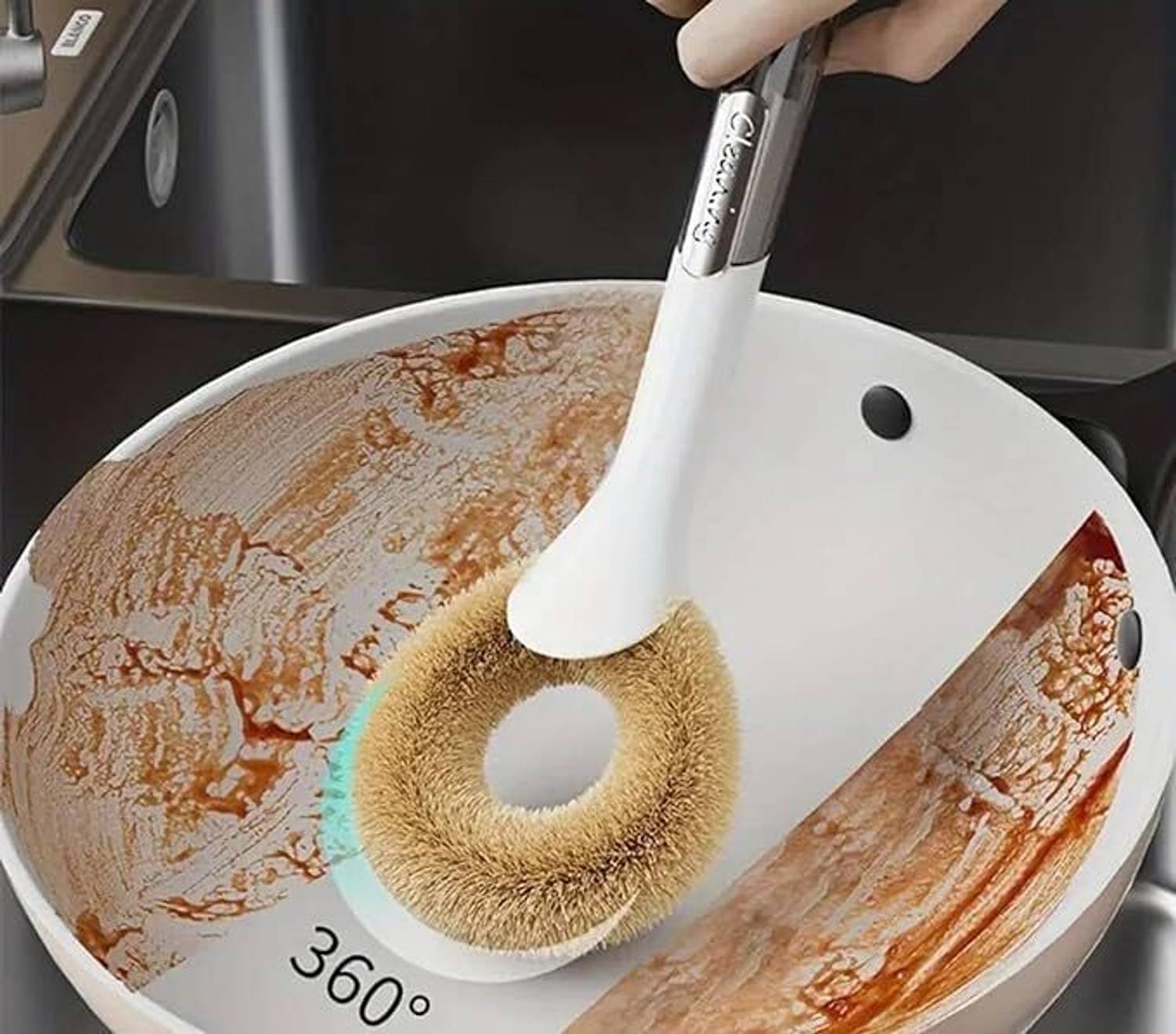
DD TREDS DD Treds Natural Coconut Coir Kitchen Scrub Brush with Ergonomic Long Handle Plastic Dry Brush

Trendy Appliances Heavy Duty Kitchen Scrubber Sponge Pad for Utensils Pack of 5 Scrub Sponge
Want the full ranked list with filters and prices?See all cleaning tools ranked ›
What actually matters when buying cleaning tools
What to expect at each budget
Who it’s for — the right cleaning tools by person
Common mistakes to avoid
- Using harsh steel scrubbers on nonstick pans, glass or granite, which scratches and permanently damages the surface.
- Keeping the same scrub pad or sponge for months, letting it turn smelly and spread bacteria instead of cleaning.
- Leaving mops, brushes and sponges damp after use, so they breed bacteria and smell, especially in monsoon humidity.
- Buying a spin mop without checking whether refill heads are easily available, then throwing out the whole mop when the head wears.
- Using one all-purpose scrubber for everything instead of matching abrasiveness to the surface and task.
- Ignoring hard-water scale until it hardens, then scrubbing aggressively when a non-scratch pad and regular cleaning would have prevented it.
Tips for buying in India
- Keep at least two types of scrubber: a non-scratch pad for nonstick and glass, and a tougher pad or steel wool for burnt steel and iron.
- Rinse and wring out scrub pads and mops after every use and let them dry fully; a dry tool is a hygienic tool.
- Replace kitchen sponges and scrub pads regularly, roughly every few weeks, rather than waiting until they smell.
- Choose spin or self-wringing mops so you never touch dirty water, and confirm refill heads are sold separately before buying.
- Use microfibre cloths for counters, glass and stainless steel; they lift grease and dry streak-free without chemicals.
- Keep a slim bottle brush for water bottles, flasks and jars where a sponge cannot reach the base.
- Tackle hard-water scale early with a non-scratch pad and a mild acidic cleaner rather than letting it harden into stubborn deposits.
- Dry the metal parts of mops and brushes and store tools hanging or head-up so water drains and rust does not set in.
Frequently asked questions
How often should I replace kitchen sponges and scrub pads?
Roughly every few weeks, and sooner if they smell, discolour or start falling apart. Sponges and pads trap food and moisture and become breeding grounds for bacteria, so a fresh pad is a hygiene essential, not a luxury. Rinsing, wringing and drying them daily extends their usable life a little.
Are spin mops better than regular mops?
For most homes, yes. Spin mops let you wring the mop hands-free and control how wet it is, so floors dry faster and you never touch dirty water. The main things to check are the durability of the spinning mechanism and whether replacement heads are easy to buy, since the head wears out before the pole.
Which scrubber is safe for nonstick pans?
Only non-scratch or soft scrubbing pads and sponges. Never use steel wool or harsh green pads on nonstick, as they scratch and peel the coating, which then ends up in your food and ruins the pan. Keep a dedicated soft pad for nonstick and glass, separate from the tough pad you use on steel.
How do I deal with hard-water stains on taps and glassware?
Clean them regularly before they harden, using a non-scratch pad and a mild acidic cleaner such as diluted vinegar or a lime-based descaler on affected areas. Wipe surfaces dry with microfibre afterwards to prevent new deposits. Prevention through frequent wiping is far easier than removing thick, set-in scale later.
Is microfibre worth buying over ordinary cloths?
Yes, for most cleaning jobs. Microfibre lifts grease, dust and water far better than cotton rags, dries quickly, and leaves streak-free glass and stainless steel, often without any chemical. It is reusable and machine-washable, so a small set pays for itself and reduces paper-towel use over time.
How do I keep cleaning tools hygienic in the monsoon?
Dry them thoroughly after every use, since damp tools breed bacteria and smell fast in humid weather. Wring mops and sponges well, hang brushes and brooms head-up so water drains, and store everything in a ventilated spot rather than a closed damp cupboard. Replace anything that stays smelly despite cleaning.
Do replaceable-head tools actually save money?
Usually, yes. With spin mops and refill brushes you replace only the worn head rather than the whole tool, which costs less over a year and creates less waste. The one caveat is to confirm refills for that specific model are easily available in India before buying, or you lose the benefit.
Can I use the same brush for dishes and bottles?
It is better not to. A regular dish brush cannot reach the narrow base of bottles and flasks, where residue builds up, so a slim bottle brush does that job properly. Using separate brushes also keeps things more hygienic, since a bottle for drinking water deserves a dedicated, clean brush.