An electric kettle is one of those small appliances that quietly earns its place on the counter. In an Indian home it does far more than boil water for tea: it speeds up chai and coffee, gives instant hot water for Maggi, oats and soup, sterilises baby bottles, and provides warm water for guests and medicines. In hostels, offices and travel, a kettle is often the only cooking device available, so getting the right one matters.
The decisions look simple but have real consequences. Capacity determines how many cups you get per boil and how bulky the kettle is. The material of the body and the inner boiling chamber affects taste, safety and durability, especially with India's hard water, which scales up heating elements quickly. And the safety features — auto shut-off, boil-dry protection and the ISI/BIS mark — are what separate a kettle you can trust from one that becomes a hazard.
This guide is written for Indian conditions: 230V supply, hard-water scaling that plagues much of the country, monsoon humidity around electrical contacts, and everyday uses from chai to baby care. We will walk through the specs that matter, realistic price bands, the mistakes buyers make, and which kettle suits your household and habits.
Our top electric kettles picks
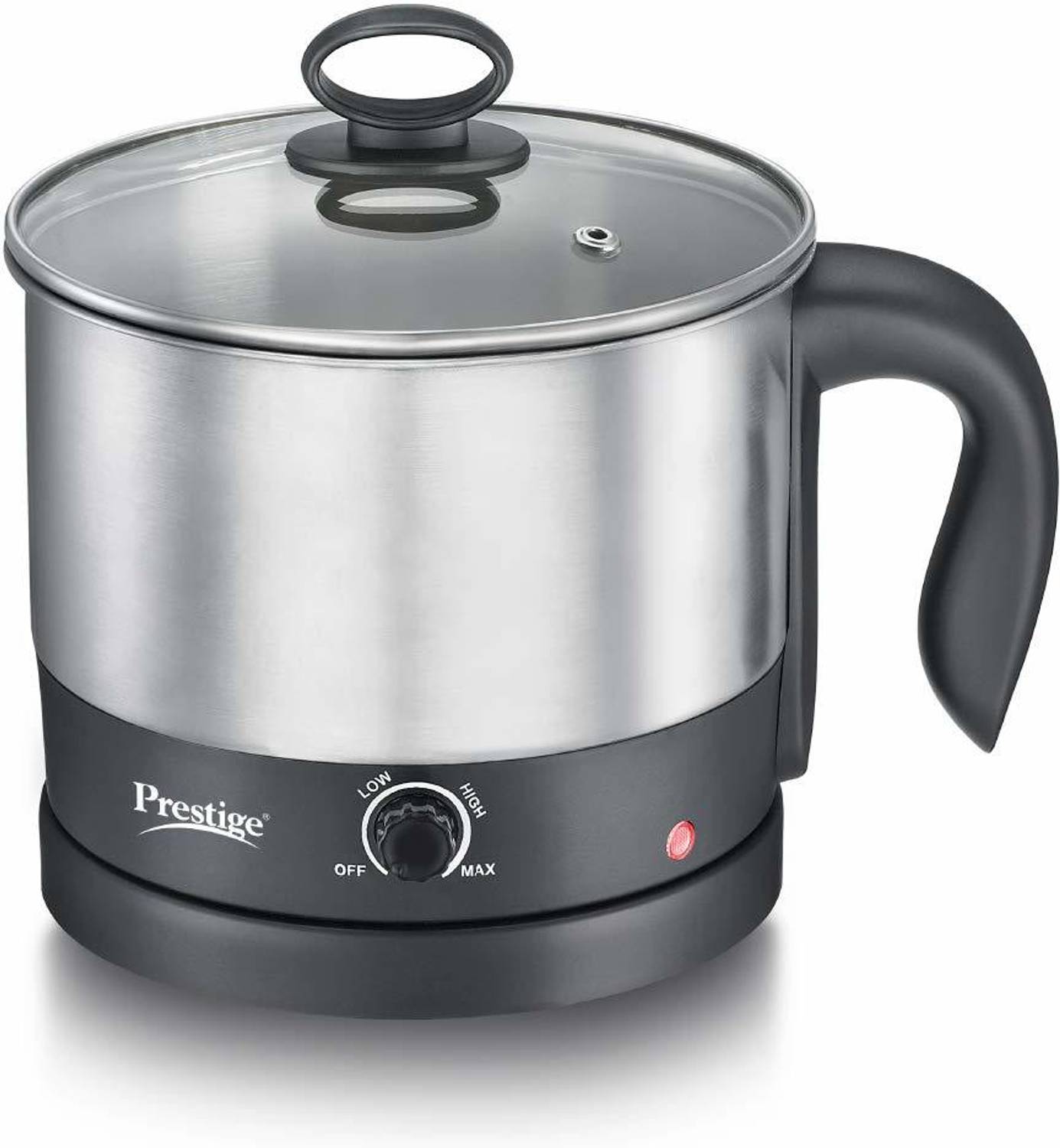
Prestige Maason Multi Cooker Multi Cooker Electric Kettle
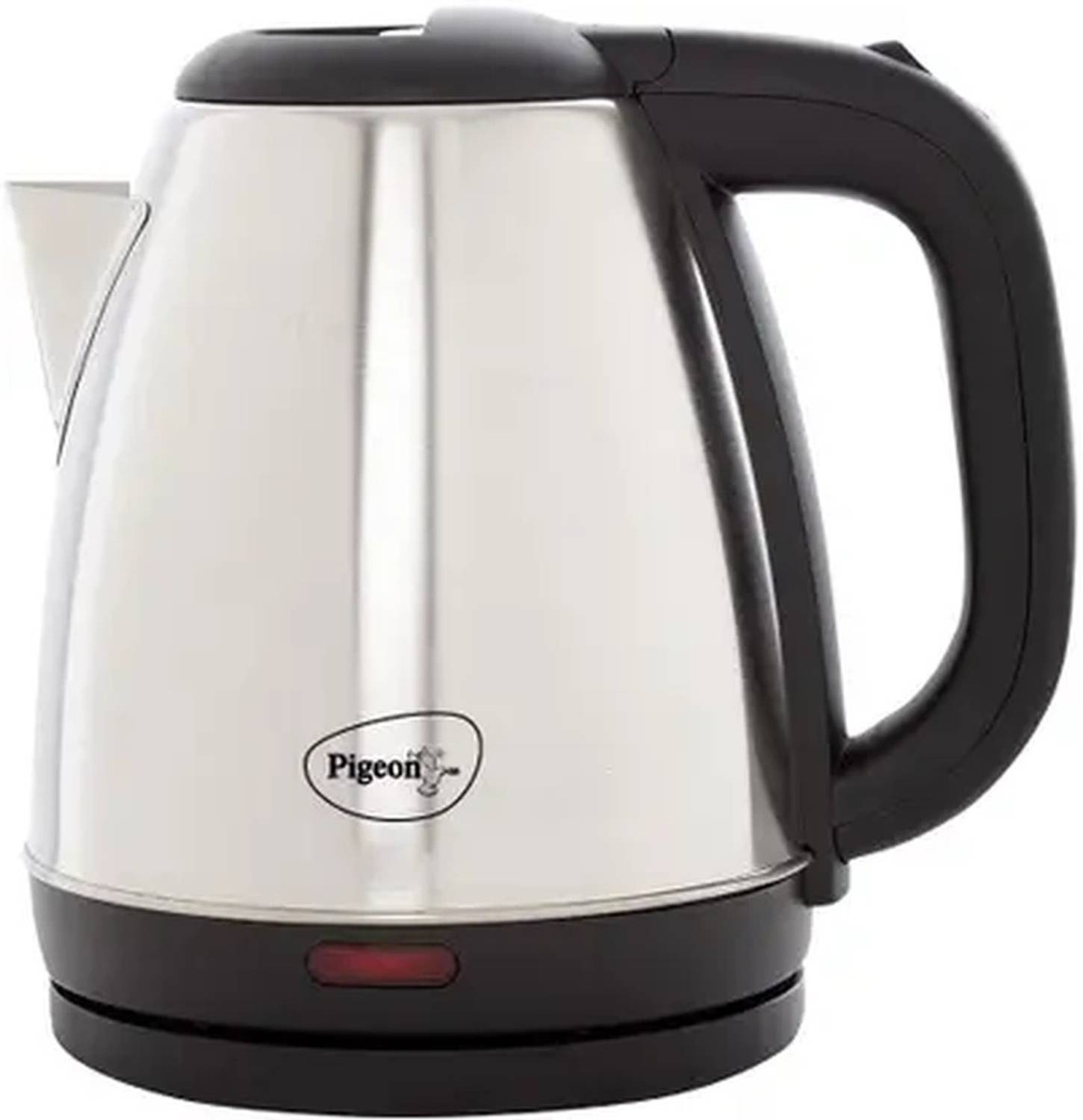
Pigeon Hot Electric Kettle
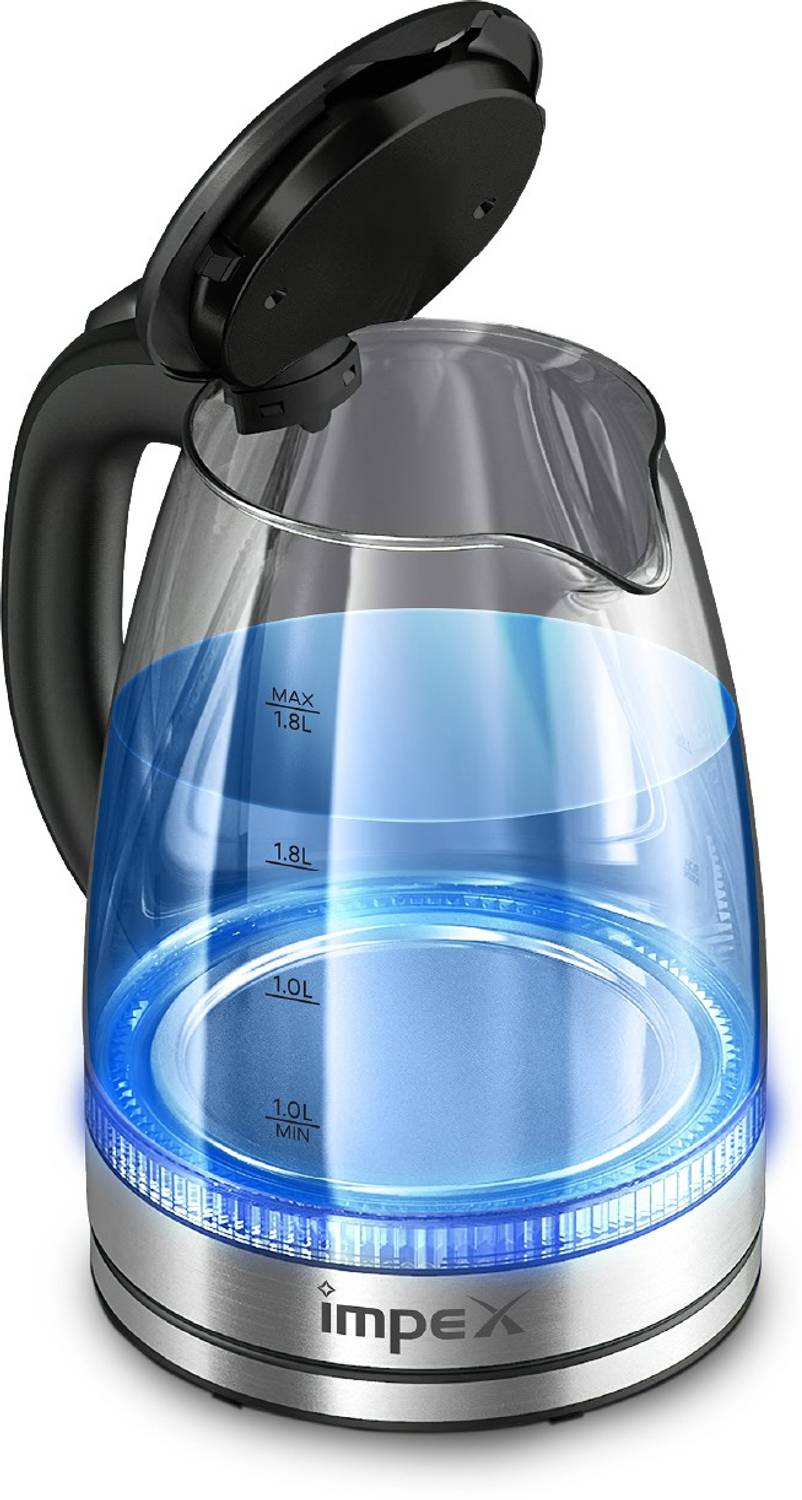
IMPEX STEAMER GK18 Electric Kettle
Want the full ranked list with filters and prices?See all electric kettles ranked ›
What actually matters when buying electric kettles
What to expect at each budget
Who it’s for — the right electric kettles by person
Common mistakes to avoid
- Choosing a cheap plastic kettle for daily boiling. Low-grade plastic can impart a taste to the water and degrade with repeated heating; for everyday use, a steel or glass inner chamber is the safer, better-tasting choice.
- Ignoring auto shut-off and boil-dry protection. A kettle without these can overheat, burn out the element if switched on empty, or keep boiling dangerously; they are non-negotiable safety features.
- Never descaling in a hard-water area. White chalky scale builds on the element and interior, slows boiling, taints taste and eventually kills the element; skipping regular descaling drastically shortens kettle life.
- Overfilling past the max mark. Filling above the line makes boiling water spit and overflow from the spout, which is both messy and a scald risk. Filling below the minimum can trigger dry-run cut-off or damage the element.
- Using it to boil milk or cook directly. Standard kettles are designed for water; milk scorches, foams over and clogs the element, and thick liquids can trigger overheating. Use a dedicated multi-kettle if you need to boil milk.
- Buying an oversized kettle for one or two people. A 1.8L kettle for a single user wastes energy and time heating more water than needed, and takes up extra counter space for no benefit.
Tips for buying in India
- Boil only as much water as you need; it is faster and cuts electricity use, and repeatedly reboiling the same water is best avoided.
- Descale regularly in hard-water areas using a solution of water and white vinegar or citric acid: boil, let it sit, then rinse well. Doing this monthly keeps the element efficient.
- Let the kettle cool for a minute or two between back-to-back boils; rapid repeated cycling stresses the thermostat and element.
- Keep the base connector and socket area dry, especially during the monsoon, since moisture around electrical contacts is a shock and corrosion risk.
- Choose a concealed-element kettle if you live in a hard-water region; it scales less on the surface and is far easier to clean than an exposed coil.
- If you drink green tea or make coffee, a temperature-control kettle lets you avoid boiling water, which scalds delicate tea leaves and coffee grounds.
- Store the kettle empty and dry; leaving water standing inside promotes scaling, odour and, over time, corrosion at the seams.
- For baby formula, boil then let the water cool to the recommended temperature, or use a temperature-control or keep-warm kettle for convenience and consistency.
Frequently asked questions
What capacity electric kettle should I buy?
For a typical family, a 1-1.5L kettle (about 4-6 cups) is the sweet spot. Singles, couples, travellers and desk users are well served by 0.5-1L. Only large households that regularly need lots of hot water at once should go for 1.8L, since bigger kettles take longer to boil and use more space.
Which is better: steel, glass or plastic body?
Food-grade stainless steel is the best all-rounder — durable, safe and good value. Borosilicate glass is attractive and taste-neutral but heavier and more fragile. Plastic is cheapest and lightest but can impart a taste and ages fastest, so it is best reserved for travel or occasional use rather than daily boiling.
Can I boil milk in an electric kettle?
Not in a standard water kettle. Milk scorches on the element, foams up and boils over, and the residue is hard to clean and can trip the overheat cut-off. If you want to boil or heat milk, buy a purpose-built multi-kettle or milk boiler designed for thicker liquids.
How do I remove the white scale build-up?
That scale is limescale from hard water. Fill the kettle with a mix of water and white vinegar (or a spoon of citric acid), boil it, let it stand for 15-30 minutes, then empty and rinse thoroughly and boil plain water once before use. In hard-water areas, do this roughly once a month to keep the kettle efficient.
Are electric kettles safe, and what should I look for?
Yes, when they carry the ISI/BIS mark and have auto shut-off plus boil-dry protection. These features stop the kettle at boiling point and cut power if switched on empty. Also look for an insulated cool-touch handle, a stable base, a secure lid and a well-made base connector, and keep the electrical contacts dry.
Why does my kettle switch off before the water boils?
Common causes are heavy scale on the element (which fools the thermostat), too little water triggering dry-run protection, or a failing thermostat. Try descaling first and ensure water is above the minimum mark. If it keeps cutting off early after cleaning, the thermostat likely needs service or replacement.
Is an electric kettle cheaper than boiling on gas?
For small quantities, an electric kettle is usually faster and more efficient because the heat goes directly into the water with little loss, whereas a gas flame heats the air around the vessel too. The exact cost depends on your electricity and gas rates, but for a cup or two of chai water, the kettle is quick and economical.
Do I need a temperature-control kettle?
Only if you care about precise temperatures. Green tea, oolong and pour-over coffee taste better with water below boiling (around 70-90°C), and parents may want a set temperature for formula. For everyday chai and instant foods, a standard kettle that boils to 100°C is perfectly fine and much cheaper.