Induction cooktops have become a mainstay of Indian kitchens, and rightly so. They heat faster than gas, waste almost no heat into the room (a real blessing in Indian summers), switch off automatically, and carry no open flame or gas-leak risk. For renters, small flats, hostels and homes where a piped or cylinder gas connection is unreliable, an induction plate is often the most practical primary or backup cooker you can buy.
But induction comes with one hard rule that trips up many first-time buyers: it only works with magnetic cookware. The cooktop heats the vessel directly using a magnetic field, so your old aluminium kadhai, brass patila or ceramic-bottom pan simply will not warm up. You need flat-bottomed cookware made of or bonded with magnetic stainless steel or cast iron, ideally marked induction-compatible. Understanding this before you shop saves a lot of frustration.
This guide is written for Indian cooking and Indian electrical realities: 230V single-phase supply, the power draw that affects your bill and your wiring, and everyday jobs like boiling milk, frying, simmering dal and making roti or dosa. We will cover the specs that matter, which cookware works, honest price bands, and which cooktop suits your kitchen and cooking style.
Our top induction cooktops picks
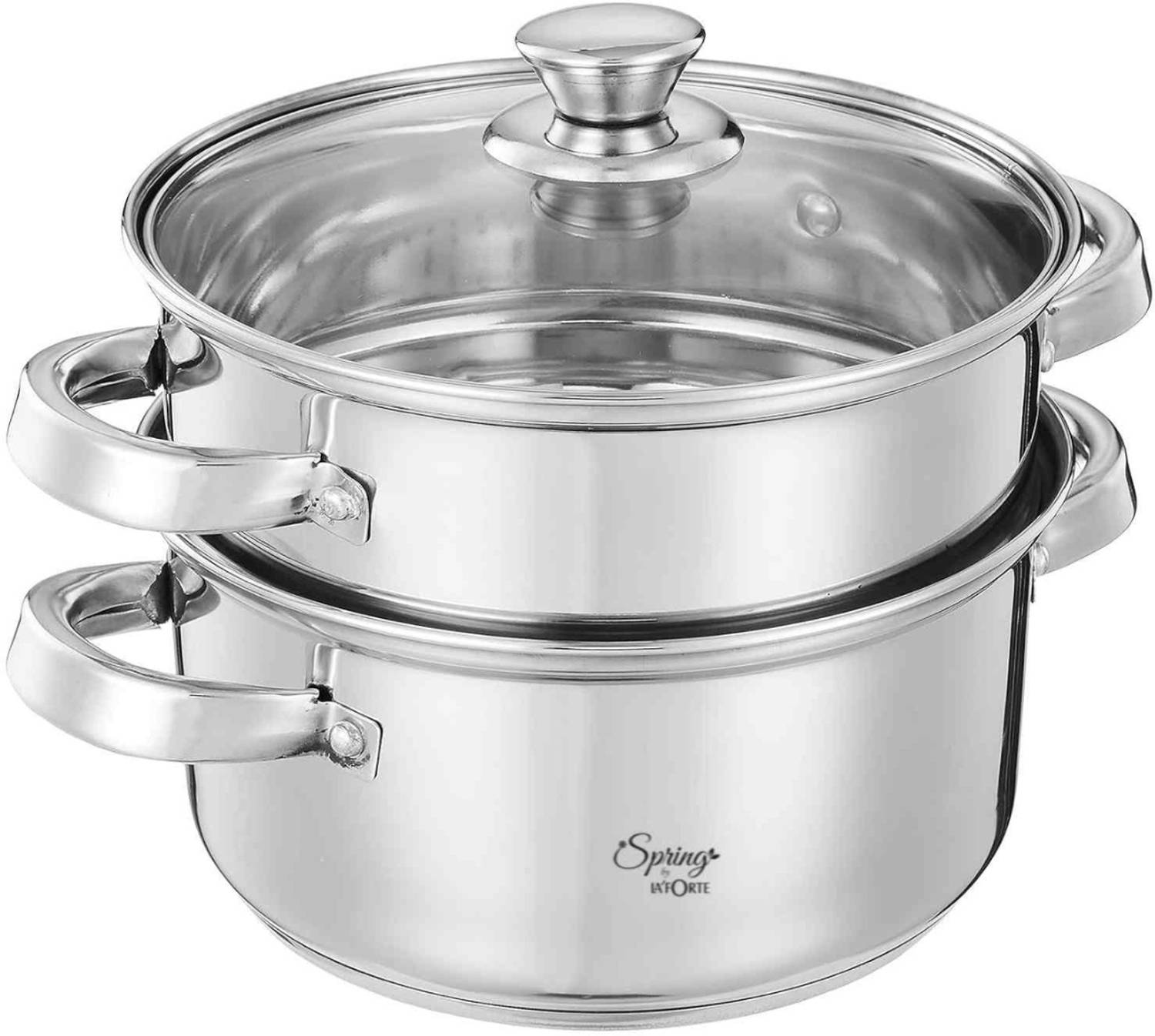
LA'FORTE Stainless Steel Steamer

Usha CJ2000XPC 2000 w Induction Cooktop
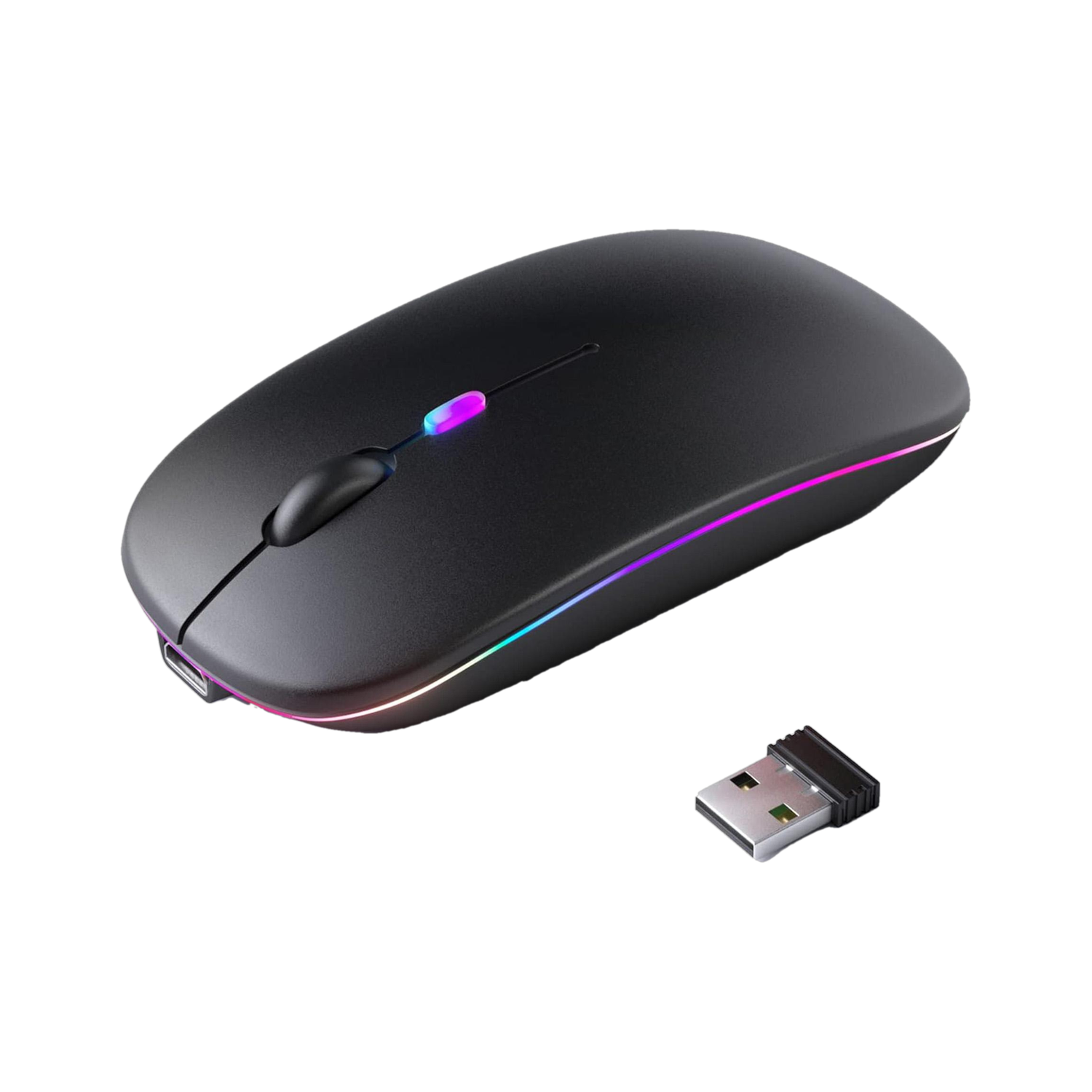
Flipkart SmartBuy TC-M500 Ergonomic Optical Mouse
Want the full ranked list with filters and prices?See all induction cooktops ranked ›
What actually matters when buying induction cooktops
What to expect at each budget
Who it’s for — the right induction cooktops by person
Common mistakes to avoid
- Assuming existing cookware will work. Aluminium, brass, copper, ceramic and non-magnetic steel pans do not heat on induction. Many buyers only discover this after unboxing and are annoyed to need new vessels.
- Ignoring the electrical load and socket. A 2000W cooktop needs a 16A socket and sound wiring; plugging it into a light 6A point or a flimsy extension board risks tripping, heating and fire hazards.
- Using warped or small-based pans. A flat, well-sized base is essential; warped bottoms and pans smaller than the coil heat unevenly and waste energy, and some cooktops will not even detect them.
- Skipping surge/voltage protection in fluctuation-prone areas. Voltage spikes and dips damage induction electronics; buying the cheapest unit without protection, and no stabiliser, often leads to early board failure.
- Dragging heavy pans across the glass top. Sliding cast-iron kadhais scratches or cracks the ceramic-glass surface; lift vessels instead of dragging them.
- Expecting a small single coil to cook a large tawa evenly. Roti and dosa on an oversized tawa over a small coil brown only in the centre; match tawa size to the heating zone.
Tips for buying in India
- Do the fridge-magnet test before buying cookware: if a magnet sticks firmly to the base, the vessel is induction-compatible.
- Buy a flat-bottomed induction dosa tawa and kadhai if you plan to make roti, dosa or fry regularly; flat contact is what makes induction efficient and even.
- Use a stabiliser or a model with strong surge protection if your area has voltage fluctuation, as the electronics are the most failure-prone part.
- Plug the cooktop directly into a properly rated 16A wall socket, not a thin extension cord, especially for 1800W+ units.
- Wipe the glass top only after it has cooled; spilled milk or dal wiped off promptly prevents baked-on stains and keeps sensors reading correctly.
- Use the preset menus as a starting point, then fine-tune the power level, since your pan size and quantity differ from the factory assumptions.
- Keep the vessel centred on the marked heating circle for the fastest, most even heating and to ensure the pan-detection engages.
- Keep induction as a backup even if you cook on gas; it is invaluable during cylinder refills, gas outages or when you need a precise low simmer.
Frequently asked questions
What cookware works on an induction cooktop?
Only magnetic (ferrous) cookware with a flat bottom: induction-grade stainless steel and cast iron. Aluminium, brass, copper, glass and ceramic do not work unless they have a bonded magnetic base. The simplest check is to see whether a fridge magnet sticks firmly to the vessel's base.
Is induction cheaper to run than gas in India?
It depends on your local electricity and LPG rates. Induction is very efficient because heat goes straight into the pan with little waste, but electricity per unit can be costly in some states. For many urban homes the running cost is broadly comparable to subsidised gas; induction's real wins are speed, safety and no flame or fumes.
Can I make roti and dosa on induction?
Yes, with the right cookware. Use a flat-bottomed induction-compatible tawa sized to the cooktop's heating zone. Rotis puff less directly than on an open gas flame (you may finish them separately), but dosas, parathas and chapatis all cook well once you learn the power settings.
How much power does an induction cooktop draw, and can my wiring handle it?
Home models draw 1200-2100W. A 2000W unit pulls close to 9 amps on 230V, so it should run on a dedicated 16A socket with sound wiring, not a light 6A point or a thin extension board. If unsure, have an electrician confirm your kitchen circuit can take the load.
Is induction cooking safe?
Very. There is no open flame or gas, so no fire or leak risk, and the surface only heats where the pan sits and cools quickly after. Features like auto shut-off, pan detection and overheat protection add safety. The main precautions are keeping the glass top uncracked and protecting the electronics from voltage surges.
Do I need a stabiliser for an induction cooktop?
In areas with stable voltage, a good unit with built-in surge protection is usually fine. In areas with frequent fluctuation or spikes, a stabiliser is strongly recommended because the electronic control board is the part most likely to fail from voltage stress, and it is expensive to replace.
Single or double burner — which should I buy?
A single-burner cooktop is cheap, portable and enough as a backup or for small households. A double-burner or built-in hob suits those cooking full meals on induction daily, letting you run dal and sabzi together. Double units cost more and need more counter space and electrical capacity.
Why is my food heating unevenly or the cooktop not detecting the pan?
Usually the pan is warped, too small for the coil, or made of weakly magnetic material, so contact and the magnetic coupling are poor. Use a flat, correctly sized induction pan centred on the heating circle. If it still fails, the vessel may simply not be induction-compatible.