"Juicer", "blender", "mixer grinder" and "cold-press" get used interchangeably in Indian shops, but they do different jobs and buying the wrong one leads to daily frustration. A mixer grinder is the Indian workhorse - it grinds idli/dosa batter, wet and dry masalas, chutney, and can blend a smoothie. A blender (or the blending jar of a mixer) purees soft foods and makes milkshakes and smoothies but keeps the fibre. A juicer separates juice from pulp, and within juicers there is a big split between fast centrifugal juicers and slow cold-press (masticating) juicers.
For most Indian kitchens, a good mixer grinder is non-negotiable and often does 90 percent of what a family needs, including basic juicing of soft fruits. A dedicated juicer earns its place only if fresh juice - especially from hard produce like carrot, beetroot, amla, or leafy greens - is a daily habit. Cold-press machines give higher juice yield and better nutrient retention with less foam and oxidation, but they cost more and work slowly; centrifugal juicers are cheaper and faster but noisier and give more foam.
This guide separates the three appliances clearly, explains the specs that actually affect performance on Indian ingredients, gives realistic rupee bands, and helps you decide whether one machine can do it all or you genuinely need a second gadget. Motor wattage, jar quality, blade and warranty matter more than marketing terms like "turbo" or "nutri".
Our top juicers & blenders picks
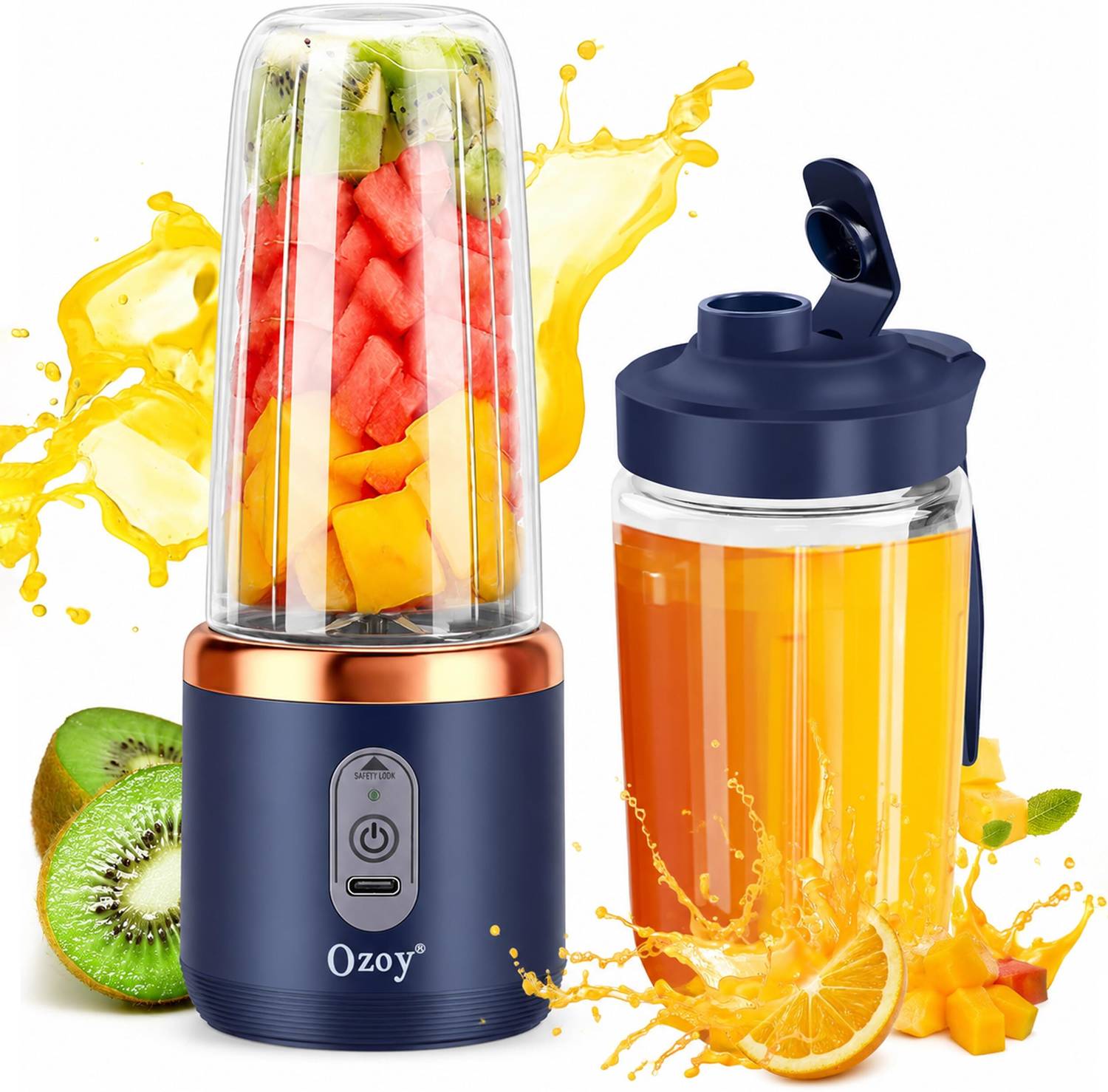
Zinsy Portable Blender,JuicerUSB Rechargeable Mini Personal Juicer,Shakes and,Smoothie 40 W Juicer Mixer Grinder
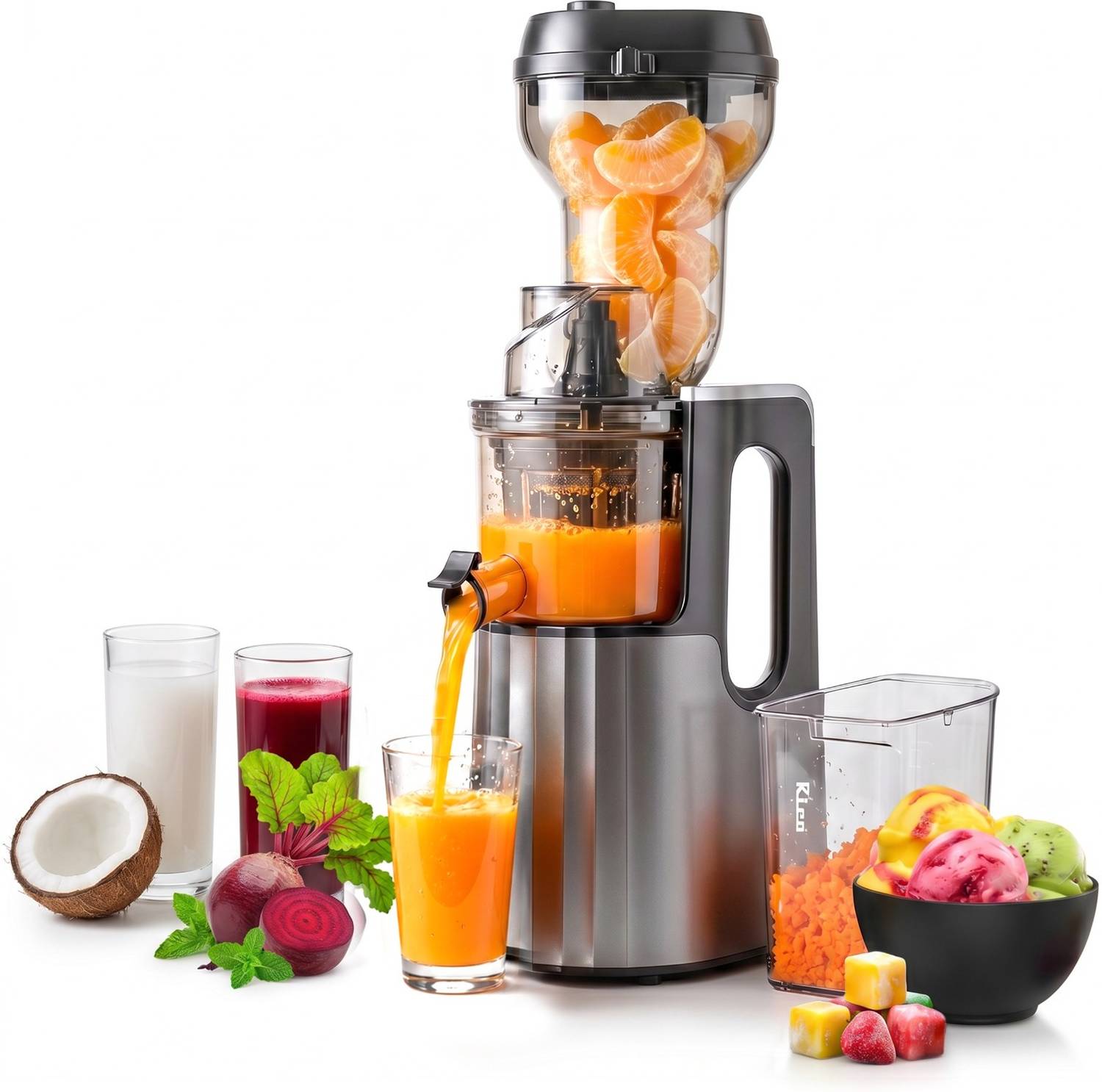
Rico Cold Press Slow Juicer | Ice Cream Maker | 5 Year Motor Warranty 300 W Juicer
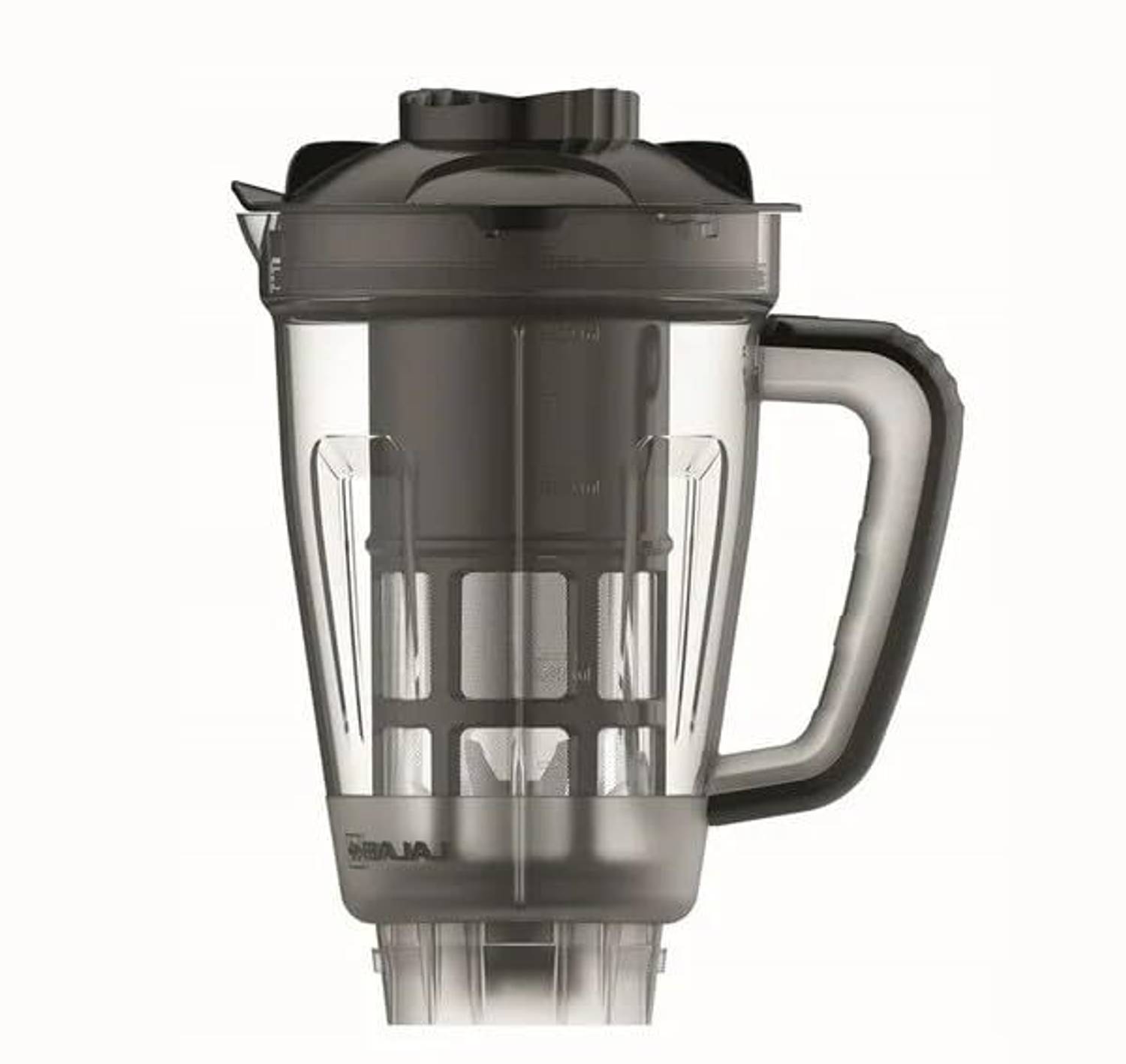
BAJAJ Juicer Jar (410617) Mixer Juicer Jar
Want the full ranked list with filters and prices?See all juicers & blenders ranked ›
What actually matters when buying juicers & blenders
What to expect at each budget
Who it’s for — the right juicers & blenders by person
Common mistakes to avoid
- Buying a low-wattage mixer expecting it to grind idli/dosa batter daily - it overheats, and the smell of a burning motor follows within months.
- Assuming a centrifugal juicer and a cold-press juicer give the same result; centrifugal foams and oxidises faster, cold-press yields more and lasts longer between refills.
- Overlooking jar sealing and gaskets, then dealing with wet batter and juice leaking under the jar on every use.
- Paying for a cold-press juicer when you would actually only juice once a week - a mixer with a fruit filter jar would have done the job.
- Ignoring the service network and warranty; a cheaper unknown brand with no nearby service centre becomes e-waste when the motor fails.
- Running the motor continuously for long stretches without rest, which triggers overload cut-off and shortens motor life.
Tips for buying in India
- Grind in short bursts with a few seconds rest, not one long run, to protect the motor and get a finer, more even grind.
- For smoothies and shakes, add liquid first then fruit so the blades catch and the motor is not strained.
- Soak dals and rice properly before grinding batter - it eases the motor's load and gives a smoother, fluffier batter.
- Wash jars and gaskets immediately after wet grinding; dried batter and juice pulp are the main cause of smell and leaks.
- Use the pulse function to break down hard or stuck ingredients rather than forcing continuous high speed.
- For cold-press juicers, alternate soft and hard produce and push slowly to maximise yield and avoid clogging the auger.
- Do not fill jars above the marked line; overfilling causes leaks, poor blending, and motor strain.
- Keep a small chutney jar for daily use so you are not hauling out the big wet jar for a spoon of ginger-garlic paste.
Frequently asked questions
Do I need both a mixer grinder and a juicer?
Most Indian homes need a mixer grinder first - it grinds batter, masala, and chutney and blends basic smoothies. Add a juicer only if fresh juice from hard produce like carrot, beetroot, or amla is a regular habit, since a mixer cannot truly separate juice from pulp.
Is cold-press juice really healthier than centrifugal?
Cold-press crushes slowly with less heat and air, so it oxidises less, foams less, and typically yields more juice with better nutrient retention, especially from greens. The difference is real but modest; for occasional juicing a centrifugal machine is perfectly fine.
What wattage mixer grinder should I buy?
500-550W suits light users; 550-750W is right for most families grinding batter and masala regularly; 750W and above suits heavy daily or bulk grinding. Look for copper winding and overload protection alongside the wattage number.
Can a blender grind idli/dosa batter?
A plain blender or personal blender is built for soft foods and liquids and will struggle or overheat on thick wet batter. Use the wet-grinding jar of a proper mixer grinder, or a dedicated wet grinder for large batter batches.
Why does my mixer smell of burning?
Usually overloading - too thick a load, running too long without rest, or an underpowered motor for the task. Grind in bursts, add enough liquid, and if the smell continues the motor winding may be failing and needs service.
Which is easier to clean, centrifugal or cold-press?
Both have several parts, but centrifugal machines pack fine pulp into a mesh basket that needs a brush, while cold-press augers and screens also need thorough rinsing. Clean either one immediately after use before pulp dries and clogs.
Are 'nutri' or 'personal' blenders worth it?
They are handy for single-serve smoothies and travel and are cheap, but they are not substitutes for a full mixer grinder and cannot handle heavy Indian grinding. Treat them as a convenience add-on, not the main machine.
What about voltage fluctuation damaging the motor?
Indian voltage swings can stress motors. Buy an ISI-marked unit, avoid running during severe low-voltage, and for expensive juicers a voltage stabiliser or good surge protection extends motor life.