The kadai (or kadhai) and handi are the vessels that give Indian food its character. A kadai's deep, curved sides make it perfect for deep-frying pakoras and puris, tossing sabzi, and making the namesake kadai paneer or chicken. A handi's rounded belly and narrow neck trap steam beautifully for dum biryani, slow-cooked dals, and rich gravies. Choosing one comes down mostly to material - nonstick, hard-anodised, or cast iron (and stainless steel) - each of which cooks, cleans, and lasts very differently.
Nonstick kadais are the easy everyday choice: light, low-oil, and simple to clean, but the coating is a consumable that wears in 2-4 years and must be treated gently. Hard-anodised kadais are tougher, handle high-heat frying and metal-free stirring better, and last much longer, though they are heavier and pricier. Cast iron is the traditional heavyweight - it holds and radiates heat superbly, adds a little dietary iron, and lasts a lifetime if seasoned and maintained, but it is heavy, rusts if neglected, and needs care. Stainless steel handis are durable and non-reactive for gravies but need more oil and skill to prevent sticking.
This guide compares nonstick vs hard-anodised vs cast iron in plain terms, explains coating durability, induction compatibility, gauge/thickness, handles and lids, and the seasoning and care each material needs in Indian conditions including humid monsoons. Brands like Hawkins, Prestige, Butterfly, Wonderchef, Pigeon and Lodge-style cast iron are common; match the material to the cooking you actually do.
Our top kadai & handi picks
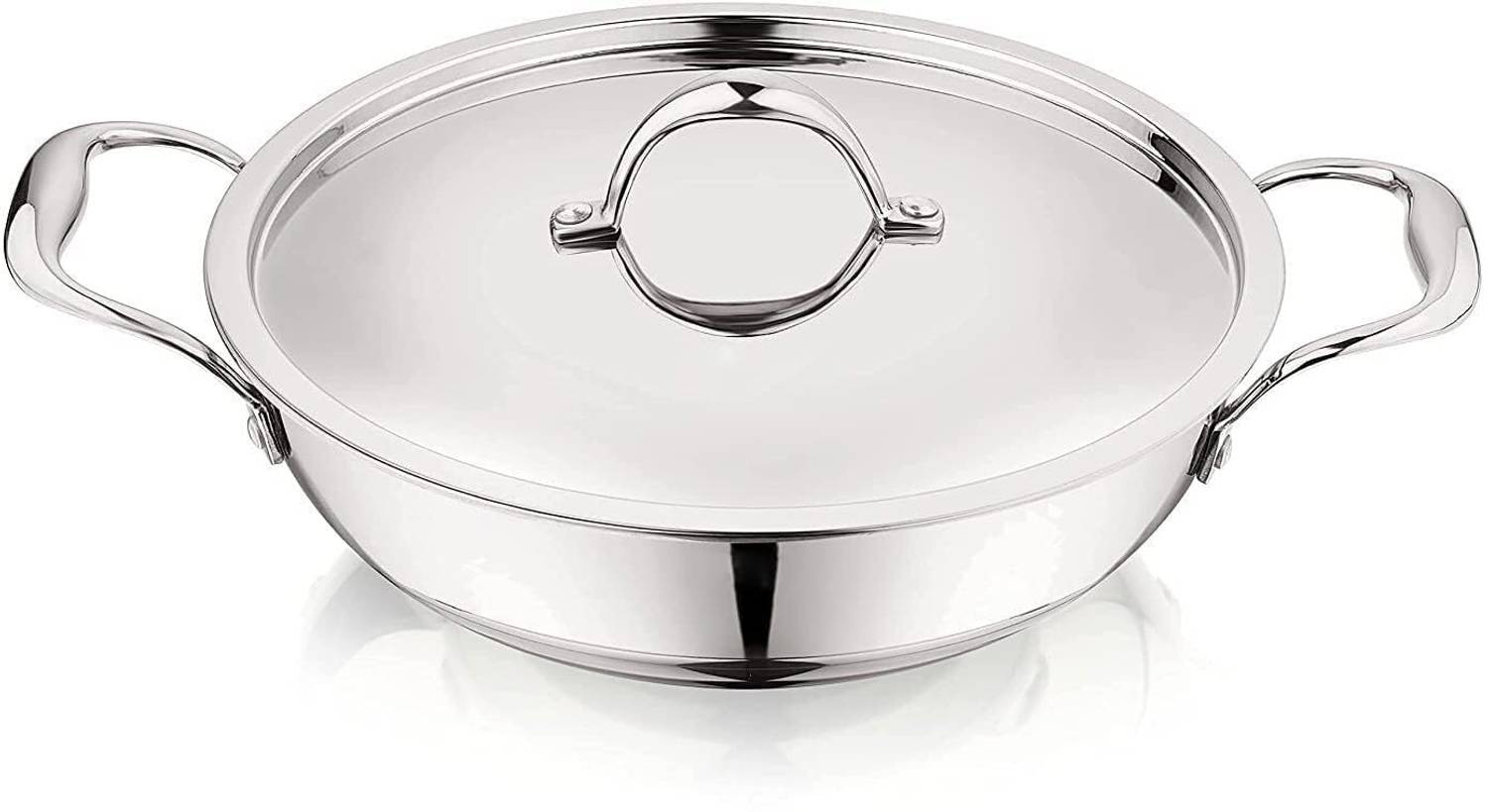
THE INDIAN AURA Cookware Deep Frying Kadai for Cooking | Triply Kadai with Lid | Kadhai 16 cm diameter with Lid 1 L capacity

Hawkins Deep-Fry Pan, (NDL20) Kadhai 26 cm diameter 2 L capacity
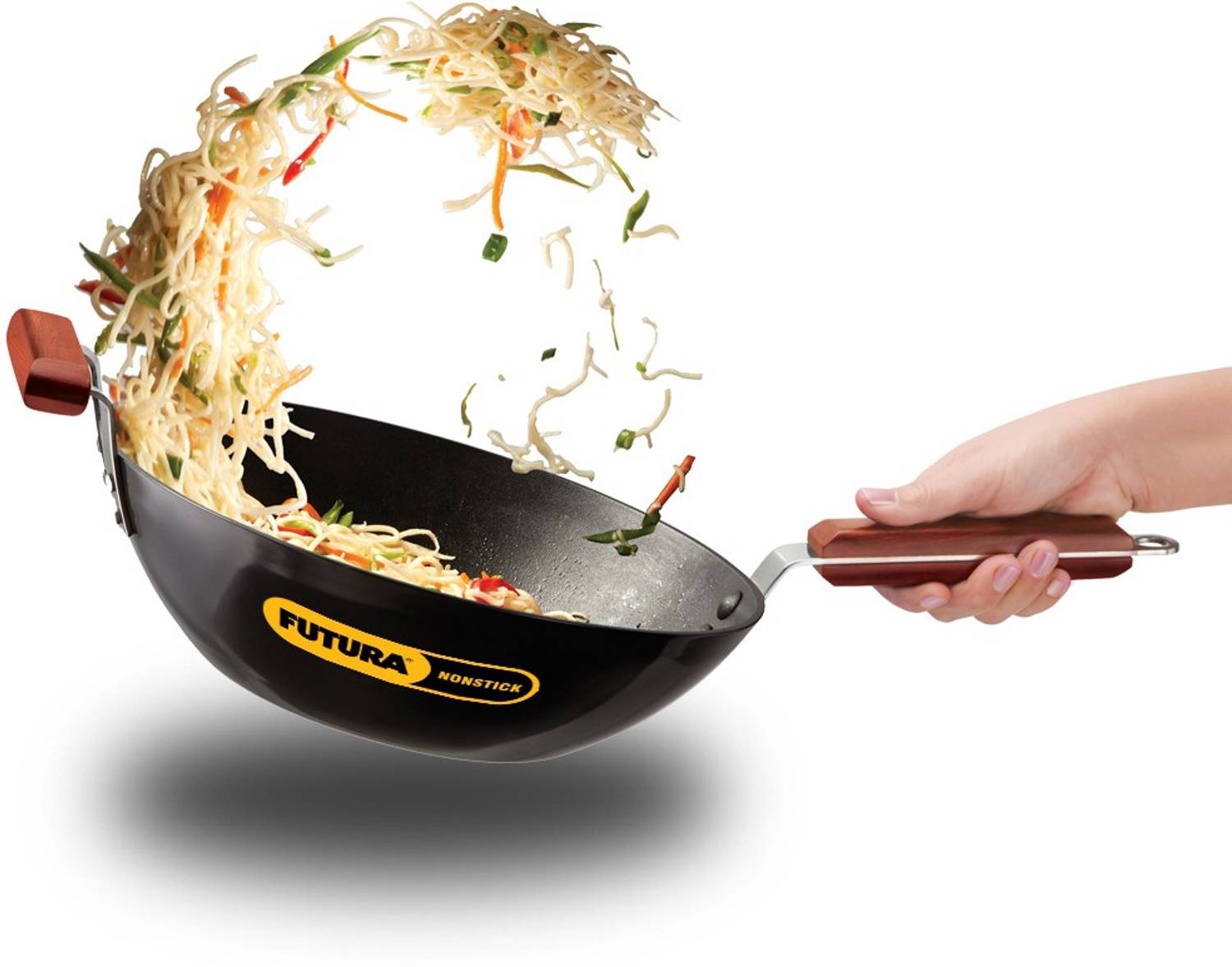
Hawkins Stir-Fry,Deep-Fry Pan, Kadai (INW30) Wok 3 L capacity 27 cm diameter
Want the full ranked list with filters and prices?See all kadai & handi ranked ›
What actually matters when buying kadai & handi
What to expect at each budget
Who it’s for — the right kadai & handi by person
Common mistakes to avoid
- Using metal spatulas and steel scrubbers on a nonstick kadai, which scratches and strips the coating within a year - always use wood, silicone or nylon.
- Buying a thin, light kadai to save money, then dealing with hot spots, scorched sabzi, and a warped base over a high flame.
- Assuming any kadai works on induction; round-bottomed traditional and plain aluminium kadais need a flat magnetic base for a 230V induction hob.
- Neglecting cast iron - leaving it wet or unseasoned so it rusts, then giving up on it; it needs drying and oiling after every wash.
- Deep-frying in a shallow or too-small nonstick kadai, which is unsafe with hot oil and degrades the coating faster at high heat.
- Cooking heavily acidic dishes in bare aluminium or unseasoned cast iron, which reacts, dulls colour and can affect taste.
Tips for buying in India
- Season a new cast iron kadai before first use and re-season periodically: heat it, rub in a thin layer of oil, and wipe - this builds the natural nonstick patina.
- Never scrub cast iron with soap and steel wool; rinse with hot water, wipe dry immediately, and apply a light oil film to prevent rust, especially in monsoon.
- On nonstick, cook on low-to-medium heat and avoid empty preheating on high, which damages the coating faster than any food does.
- Use only wooden, silicone or nylon utensils on nonstick and hard-anodised surfaces to protect them for years.
- For a handi biryani, seal the lid with dough (dum) to trap steam, and use a heavy base or a tawa under it to spread heat evenly.
- Let cast iron and hard-anodised pans heat properly before adding oil and ingredients - even heating is their strength and reduces sticking.
- Store nonstick kadais without stacking heavy vessels inside them; a scratch from stacking is a common way coatings get ruined.
- For hard-anodised, hand-wash rather than using harsh dishwasher detergents that can dull the surface over time.
Frequently asked questions
Nonstick, hard-anodised or cast iron - which kadai should I buy?
Nonstick is best for easy, low-oil everyday sabzi and simple cleaning but wears out in a few years. Hard-anodised is tougher, handles high-heat frying and lasts much longer. Cast iron holds heat superbly and lasts a lifetime with care but is heavy and needs seasoning. Many homes keep a nonstick for daily use and a cast iron or hard-anodised for frying.
How long does a nonstick coating last?
A good multi-layer nonstick coating lasts around 3-4 years with gentle use - low heat, no metal utensils, no steel scrubbers. Cheap single-layer coatings can start peeling within a year. Once the coating flakes, replace the pan rather than keep cooking on bare metal.
Is cast iron worth the extra effort in an Indian kitchen?
If you deep-fry, sear, and cook high-heat dishes often, yes - cast iron holds heat beautifully, improves with use, adds a little dietary iron, and lasts for decades. The trade-offs are weight and the need to season and dry it after every wash to prevent rust, which is real in humid monsoon conditions.
Which kadai works on an induction cooktop?
Only ones with a flat, induction-compatible (magnetic) base. Many modern hard-anodised, nonstick and stainless kadais are induction-ready; traditional round-bottomed and plain aluminium kadais are gas-only. Check for the induction symbol before buying if you use a 230V induction hob.
Can I deep-fry in a nonstick kadai?
You can, but choose a deep, thicker nonstick kadai and keep the heat moderate, since sustained very high heat degrades the coating faster. For frequent deep-frying, hard-anodised or cast iron is a better, longer-lasting choice.
What is the difference between a kadai and a handi?
A kadai has deep, curved sloping sides ideal for deep-frying, tossing and sabzi. A handi has a rounded belly and a narrower neck that traps steam, making it ideal for dum biryani, slow-cooked dals and rich gravies. Many cooks own both for different dishes.
How do I stop food sticking in a steel or cast iron kadai?
Heat the pan properly first, then add oil and let it get hot before adding food. For cast iron, a well-built seasoning layer largely prevents sticking. Steel needs enough oil and correct heat; adding food to a cold pan is the main cause of sticking.
Is hard-anodised cookware safe and how do I clean it?
Yes, hard-anodised aluminium is a sealed, non-reactive surface that is safe and durable. Hand-wash it with mild detergent and a soft sponge, avoid harsh dishwasher cycles and steel wool, and it stays good for many years.