Indian kitchens, especially in flats and rented homes, are famous for being small. You have more utensils, masala dabbas, pressure cookers and mixer jars than the counter can hold, and drilling into the wall is often not allowed or not wanted. The result is a permanent battle for space, which is exactly what organizers and racks are meant to solve, if you buy the right kind. The wrong rack rusts within a monsoon, sags under a stack of steel plates, or takes up more floor than it saves.
The two big decisions are format and material. Format is about wall-mounted versus floor-standing trolleys versus over-the-counter and under-shelf organizers, and whether you can or want to drill. Material is about stainless steel versus plastic-coated wire versus pure plastic, and this choice decides how much weight the rack holds and how well it survives humidity. In coastal and monsoon-heavy areas, a cheap coated-wire rack can rust from the inside out where the coating chips, so material quality is not a place to cut corners.
This guide walks through load capacity, rust resistance, drilling versus no-drill mounting, and modular systems that grow with your needs. The goal is to use vertical space, keep daily items within reach, and pick racks that stay sturdy and rust-free for years rather than looking neat for one season and then wobbling or corroding.
Our top kitchen organizers & racks picks
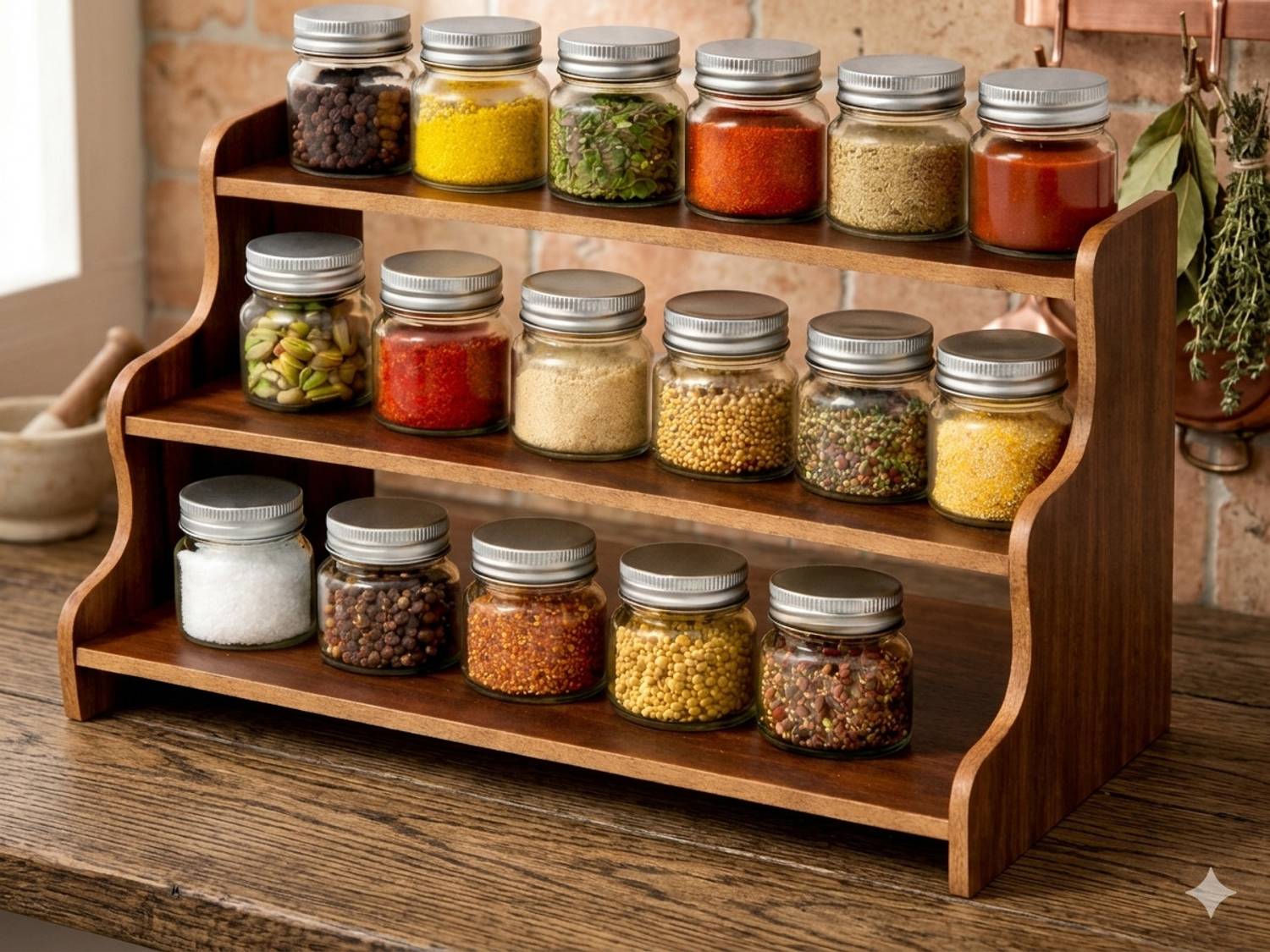
Expro Containers Kitchen Rack Wood Wooden 3 Tier Spice Rack Organizer for Kitchen Seasoning Jar Storage Shelf

NEXO Utensil Kitchen Rack Steel 2-Tier Kitchen Rack | Rack | Multipurpose Storage Rack | Rack for Kitchen
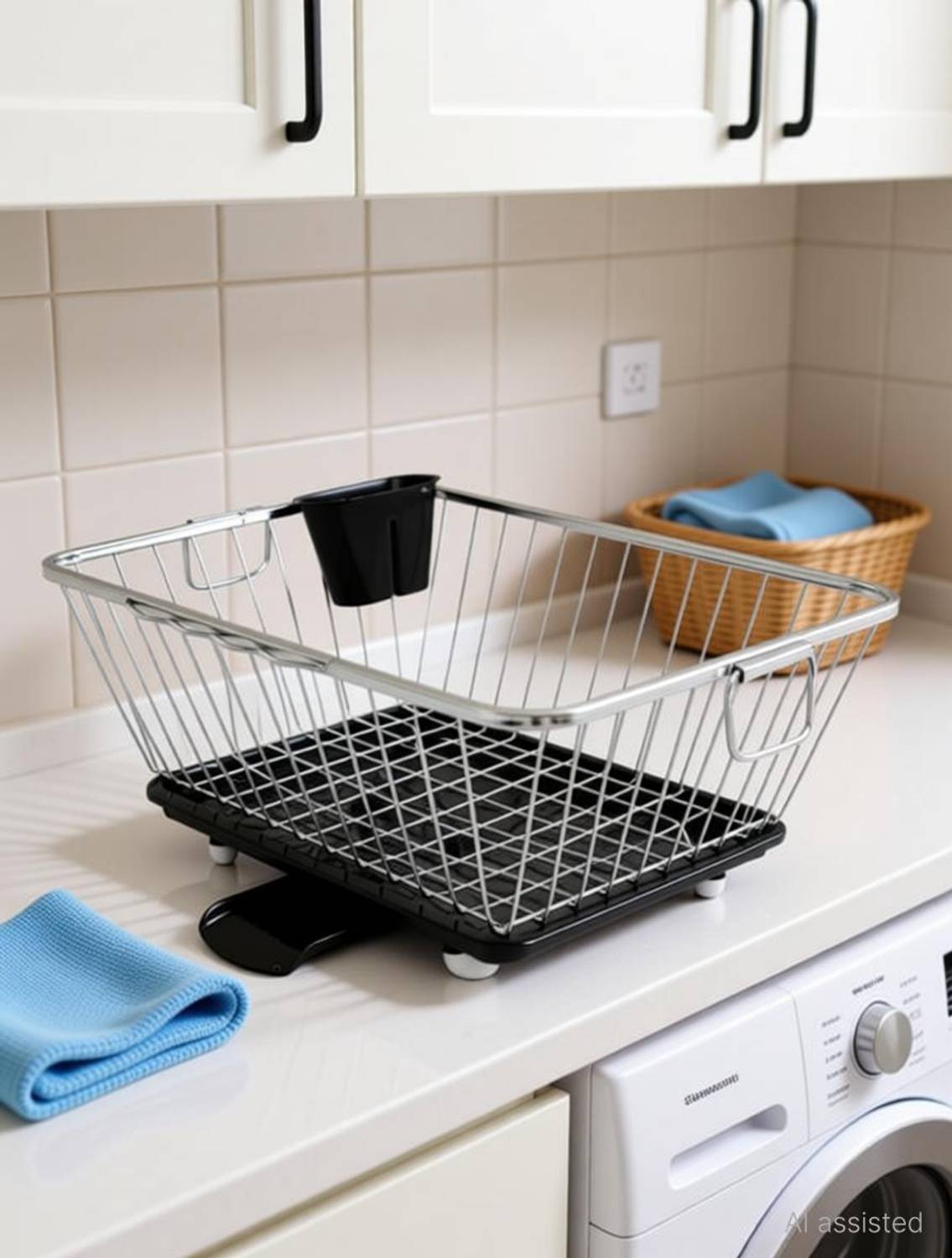
Swarny Dish Drainer Kitchen Rack Steel Swarny Dish Drainer Kitchen Rack Steel
Want the full ranked list with filters and prices?See all kitchen organizers & racks ranked ›
What actually matters when buying kitchen organizers & racks
What to expect at each budget
Who it’s for — the right kitchen organizers & racks by person
Common mistakes to avoid
- Buying cheap chrome or powder-coated wire racks for a humid or coastal kitchen, then watching them rust where the coating chips within a monsoon or two.
- Ignoring the load capacity and overloading a shelf with heavy steel plates or cookers until it sags or collapses.
- Choosing a bulky floor-standing unit that eats scarce floor space when a wall-mounted rack would have freed the same area.
- Relying on adhesive no-drill mounts for heavy loads they were never rated for, so they peel off the wall over time.
- Buying a fixed single-purpose rack when your storage needs are still changing, then outgrowing it and buying again.
- Picking intricate wire designs that look neat in photos but trap grease and are miserable to clean in a real kitchen.
Tips for buying in India
- In a small kitchen, prioritise vertical storage: tall narrow trolleys, stacked shelves and over-the-counter risers store more per square foot.
- For humid or coastal homes, pay extra for grade 304 stainless steel; it resists rust far better than coated wire and lasts for years.
- If you cannot drill, use free-standing units or tension rods for light items and reserve adhesive hooks for genuinely light loads only.
- Store daily-use items at eye and hand level, and put rarely used appliances on high or low shelves to save prime reach space.
- Check the stated per-shelf load capacity and keep heavy steel and cookers on the lower, sturdiest shelves.
- Choose racks with removable trays or smooth surfaces so you can wipe away kitchen grease without a struggle.
- Buy modular systems if your needs are still evolving, so you can add shelves and hooks instead of replacing the whole unit.
- Measure your available wall and floor space before buying; many returns happen simply because the rack did not fit the gap.
Frequently asked questions
Stainless steel or plastic-coated wire rack, which should I buy?
For humid or coastal kitchens and heavy loads, grade 304 stainless steel is worth the extra cost because it resists rust and holds weight without sagging. Plastic-coated wire is cheaper and fine for light, dry use, but once the coating chips at welds or edges, the metal underneath rusts. Choose stainless for anything permanent or load-bearing.
Wall-mounted or floor-standing, what works better in a small kitchen?
Wall-mounted racks are usually better in small kitchens because they free up scarce counter and floor space, provided you can drill or use strong mounts. Floor-standing trolleys need no drilling and can be moved, but they occupy floor area. A common approach is wall racks for daily items plus one movable trolley for extra capacity.
I am renting and cannot drill; what are my options?
Use free-standing trolleys and shelf units, tension rods between cabinets, over-the-door and over-the-shelf organizers, and adhesive hooks for light items only. Avoid loading adhesive mounts with heavy utensils, as they are not rated for it and will eventually peel. Most rental kitchens can be well organised without a single hole in the wall.
How much weight can these racks actually hold?
It varies widely by build. Light plastic and thin coated-wire shelves may handle only a couple of kilograms, while sturdy stainless units can hold several kilograms per shelf. Always check the manufacturer's stated load capacity and keep the heaviest items, like cookers and steel plates, on the lowest, strongest shelves.
How do I stop kitchen racks from rusting?
Buy genuine stainless steel (ideally grade 304) rather than chrome-plated wire, keep racks dry, and wipe up steam and water splashes. If you already own coated wire, avoid chipping the coating and touch up any exposed metal. Good ventilation and not storing wet utensils on the rack also slow rust in humid conditions.
Are modular kitchen organizer systems worth the extra money?
If your storage needs are still changing or you plan to stay in the kitchen for years, yes; modular systems let you add shelves, hooks and stacking units instead of buying a whole new rack. If your needs are fixed and simple, a good single unit is more cost-effective. Match the system to how settled your kitchen setup is.
What is the best way to organise a very small kitchen?
Go vertical and keep only daily-use items within easy reach. Use wall rails and hooks for ladles and pans, stack shelves and risers to double up cabinet height, add a slim rolling trolley for overflow, and store rarely used appliances up high or down low. Declutter first, because the best organizer is fewer things.
Should I buy racks online or see them in a store first?
Both work, but measure your space before buying either way, since ill-fitting size is the most common reason for returns. Online offers more variety and reviews that reveal real-world sturdiness and rust issues; in-store lets you judge build quality and weld strength by hand. Check load ratings and material grade regardless of where you buy.