Every Indian kitchen quietly runs on small tools that cost less than a pizza: the spatula that flips the dosa, the ladle that portions dal, the peeler that saves your knuckles, the chakla-belan that turns out round rotis. None of these are glamorous, but a bad one makes cooking slower and more annoying every single day. The good news is that almost all of them cost under ₹500, so the real question is not whether to buy, but which version lasts and which melts, bends or rusts within months.
The biggest decision in this category is material. Silicone, nylon, stainless steel and wood each have a place, and the right choice depends heavily on whether you cook on nonstick or on steel and iron. Use a steel spatula on a nonstick tawa and you will scratch the coating within weeks; use a flimsy nylon one near a high flame and it can warp or melt. Getting the material right is what separates a tool that lasts years from a ₹100 mistake.
This guide focuses on genuine value: the tools worth owning, what material to pick for each, how to spot food-grade and BPA-free plastics, and where spending an extra ₹100-200 actually pays off. We keep it India-specific, covering high-flame gas cooking, nonstick care, and everyday items like tongs, whisks, graters and the humble belan that most Western lists ignore.
Our top kitchen tools & gadgets picks
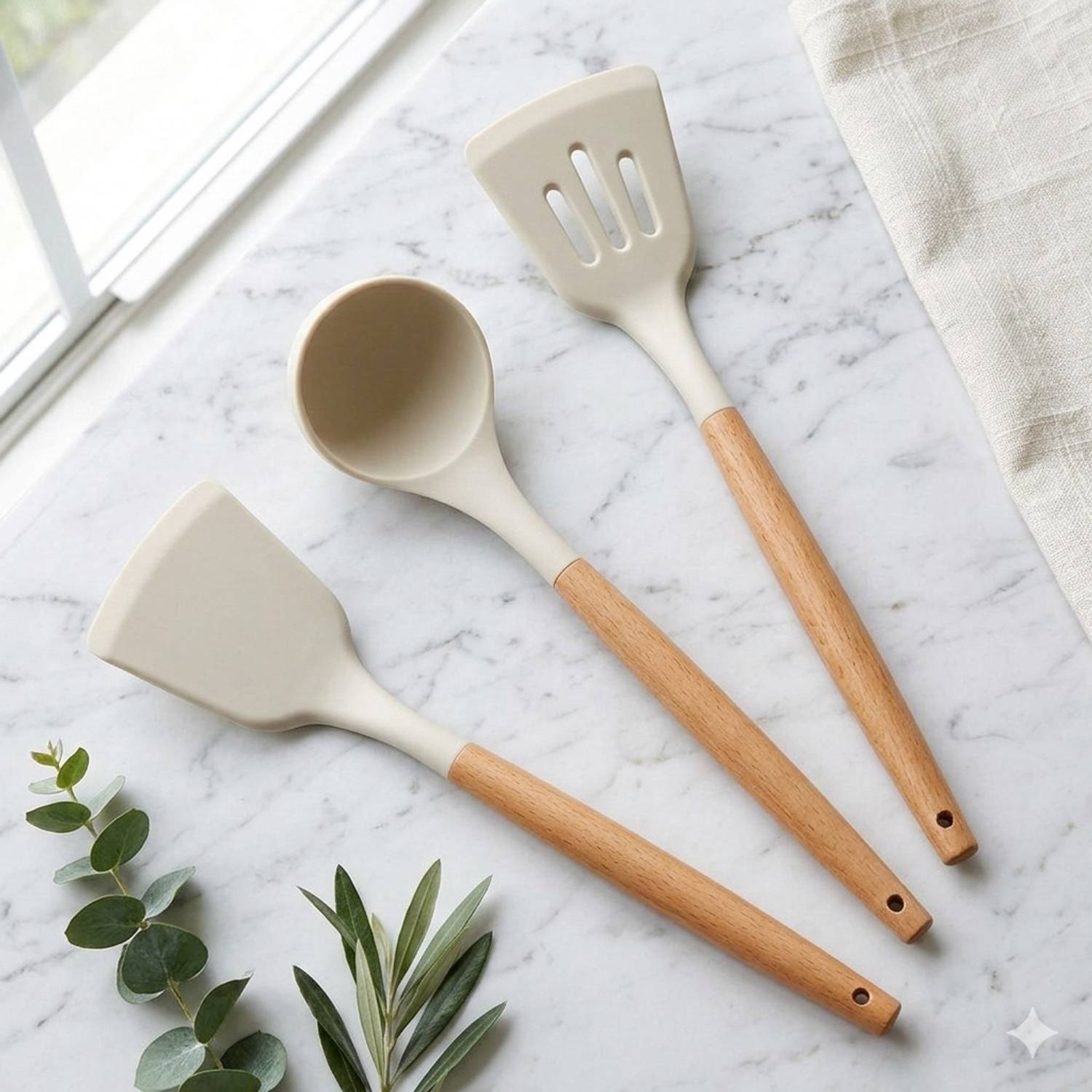
AJDK MART Non Stick Silicone Spatula Spoon Set Wooden Handle Pack of 3 Kitchen Tool Set
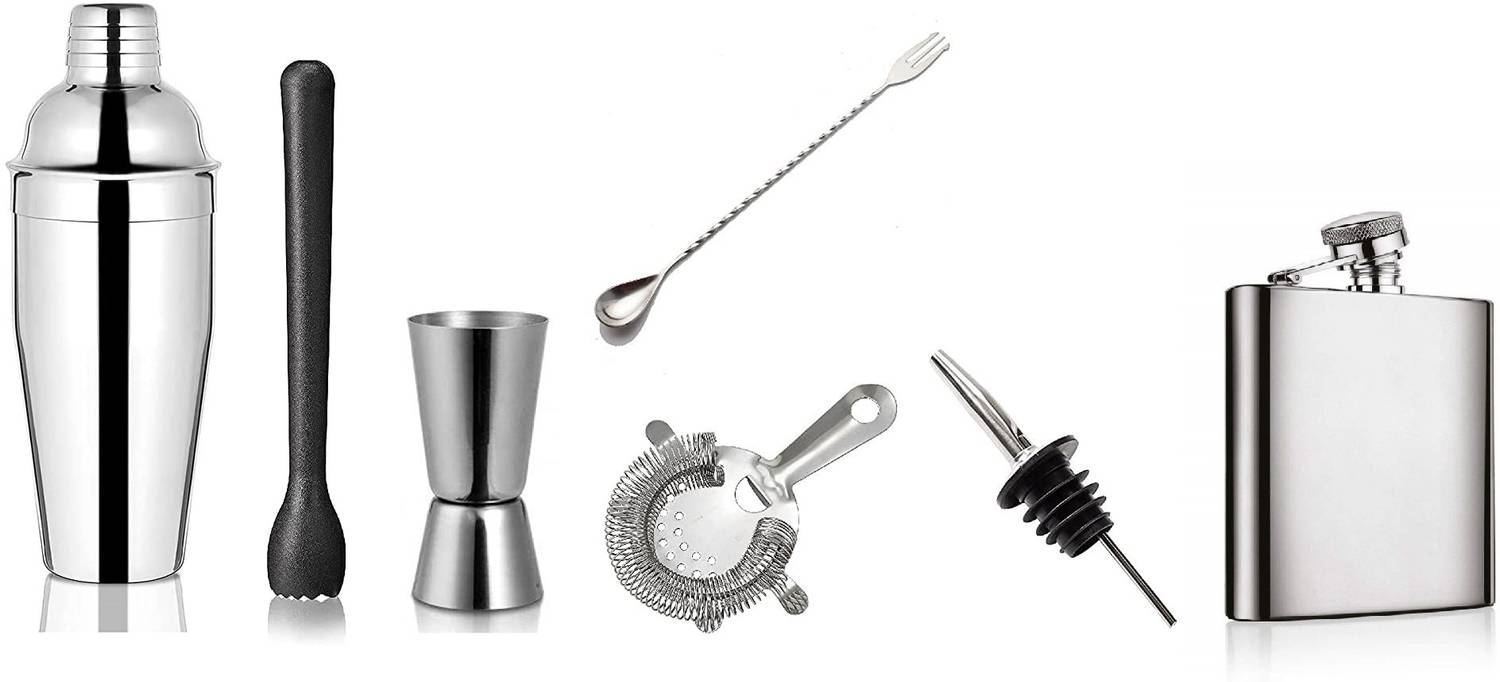
Dynore Stainless Steel 7 Pcs Multiutility Bar Set 7 - Piece Bar Set
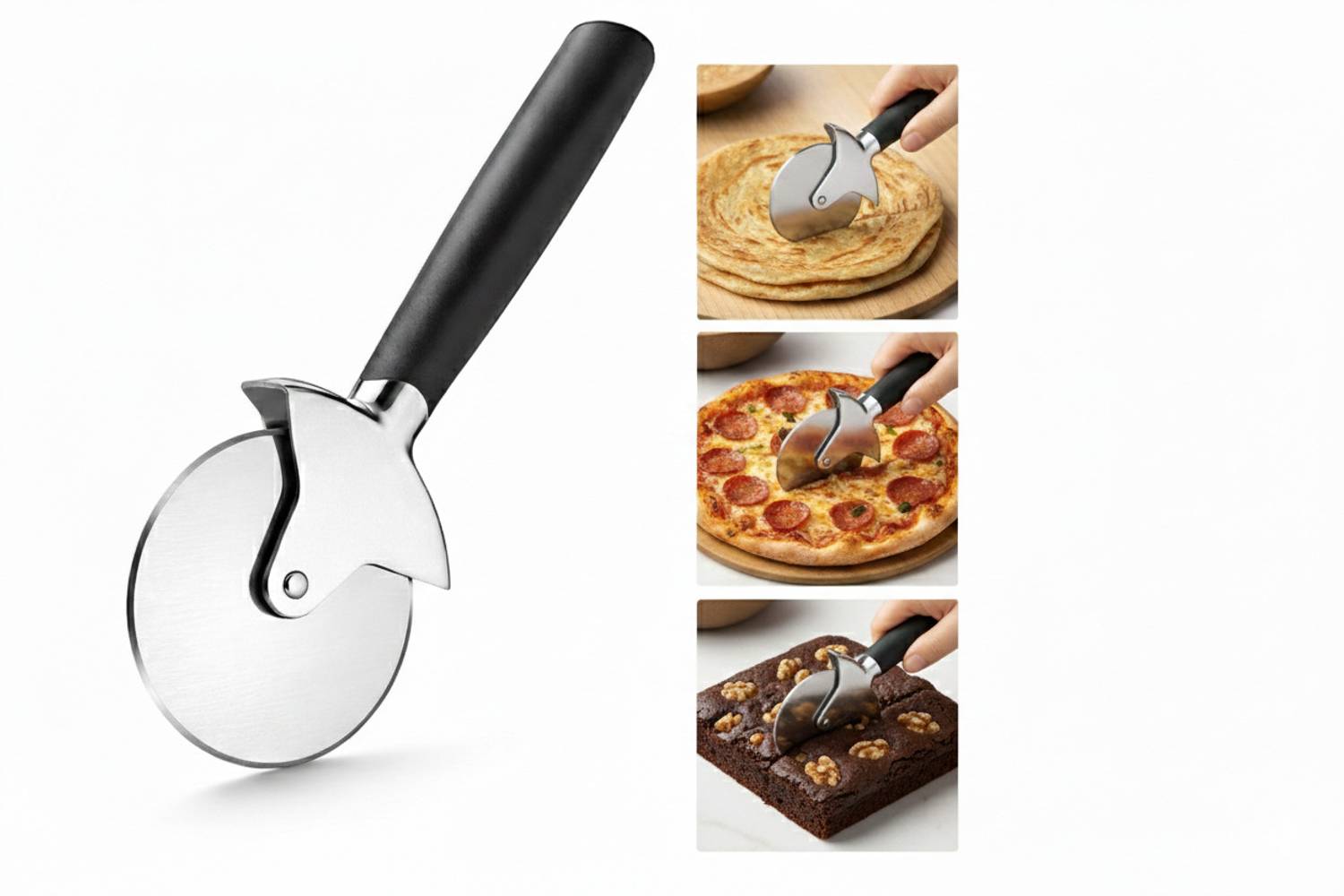
Klick N Shop Pizza Cutter Wheel Stainless Steel with Ergonomic Handle for Pizza & Pastry Wheel Pizza Cutter
Want the full ranked list with filters and prices?See all kitchen tools & gadgets ranked ›
What actually matters when buying kitchen tools & gadgets
What to expect at each budget
Who it’s for — the right kitchen tools & gadgets by person
Common mistakes to avoid
- Using steel spatulas and spoons on nonstick tawas and pans, which scratches the coating and shortens the cookware's life.
- Buying the cheapest nylon tools that soften or warp near a high gas flame, then finding them deformed within weeks.
- Ignoring food-grade and BPA-free labelling on plastic and silicone that contacts hot, oily food.
- Choosing chrome-plated steel graters and whisks that look shiny but rust and flake once the plating wears off.
- Buying large tool sets for the piece count when you will only ever use the spatula, ladle and one spoon.
- Picking tools with hollow handles or tight joints that trap water and food and are almost impossible to clean properly.
Tips for buying in India
- Match the tool to the cookware: silicone or nylon for nonstick, stainless or wood for steel and iron pans, so you never scratch a coating.
- For anything used in hot oil, choose silicone rated for at least 220 C and check for a food-grade, BPA-free label.
- Buy one good high-heat silicone spatula rather than three cheap nylon ones; it outlasts them and protects your nonstick.
- A Y-shaped peeler is faster and safer for most people than a straight peeler, and costs the same.
- Prefer stainless steel graters and whisks over chrome-plated ones; wipe them dry after washing to prevent rust in humid weather.
- Choose spring-loaded tongs with a locking mechanism so they store flat and do not spring open in the drawer.
- For rotis, a wooden chakla with a smooth surface and a lightweight belan reduces sticking and wrist strain; dust with flour rather than over-oiling.
- Hang frequently used tools on a rail near the stove so you reach for the right one instead of grabbing whatever is closest.
Frequently asked questions
Silicone or nylon spatula, which is better?
Silicone is generally the better buy. It tolerates higher heat, is naturally nonstick-safe, and does not warp near the flame the way cheap nylon can. Nylon is fine and slightly cheaper, but insist on a food-grade, heat-rated version and keep it away from direct flame contact.
Can I use steel spatulas on a nonstick pan?
No. Steel and other metal tools scratch nonstick coatings, which then peel and lose their nonstick property, and the flaked coating can end up in your food. Use silicone, nylon or wood on nonstick, and save steel tools for stainless and iron cookware.
What does food-grade and BPA-free actually mean?
Food-grade means the material is certified safe for contact with food, and BPA-free means it does not contain bisphenol-A, a chemical that can leach from certain plastics, especially when heated. For anything touching hot or oily food, both labels matter more than brand or colour.
Are cheap combo tool sets worth buying?
Sometimes. A 5-6 piece silicone or nylon set under ₹500 can be good value if the material is decent, but you often use only two or three of the pieces. Judge the set by the quality of the tools you will actually use daily, not by how many pieces it contains.
How do I stop my steel graters and whisks from rusting?
Buy genuine stainless steel rather than chrome-plated items, wash and dry them immediately after use, and never leave them soaking. Store them fully dry. Chrome plating eventually wears and the base metal rusts, so stainless is the better long-term choice in humid Indian kitchens.
Is silicone safe at high Indian gas-flame temperatures?
Good food-grade silicone is rated to around 220-260 C, which comfortably covers frying and sauteing. The risk is with unbranded or non-food-grade silicone of unknown rating, or letting any spatula rest directly on the flame. Buy a rated, food-grade product and keep it out of the flame itself.
Do I need a separate whisk if I have a fork?
For occasional egg-beating a fork works, but a balloon whisk incorporates air far better for fluffy omelettes, batters and whipped cream, and it saves your wrist. A basic stainless whisk under ₹200 is a worthwhile buy if you cook eggs or bake even occasionally.
Wooden or silicone spoons for daily cooking?
Both are nonstick-safe and heat-friendly. Wooden spoons are cheap, sturdy and traditional but must be dried well or they crack and harbour smell. Silicone is easier to clean and dishwasher-safe. Many kitchens keep a wooden spoon for stirring and a silicone spatula for scraping and flipping.