The mixer grinder is the one appliance almost every Indian kitchen runs daily, and it is asked to do far more than a Western blender. In a single morning it might grind idli-dosa batter, pulse a coconut-and-green-chilli chutney, whip up a lassi and reduce a fistful of whole spices to powder. That range of jobs is exactly why picking the right model matters: a machine tuned for smoothies will stall on wet urad dal batter, and an underpowered jar will overheat when you push it hard.
The two numbers most buyers fixate on are wattage and jar count, but neither tells the full story on its own. What actually decides whether you are happy for the next seven years is the combination of motor wattage, copper versus aluminium windings, jar quality, RPM, and how good the brand's service network is in your city. A 750W mixer from a brand with poor after-sales support is a worse buy than a 600W one you can get repaired in a day.
This guide is written for Indian conditions: 230V single-phase supply, voltage fluctuation in many areas, hard water that scales up jars, and the daily grind of a typical Indian menu. We will walk through the specs that matter, realistic price bands, the mistakes that cost people money, and which model suits your household size.
Our top mixer grinders picks
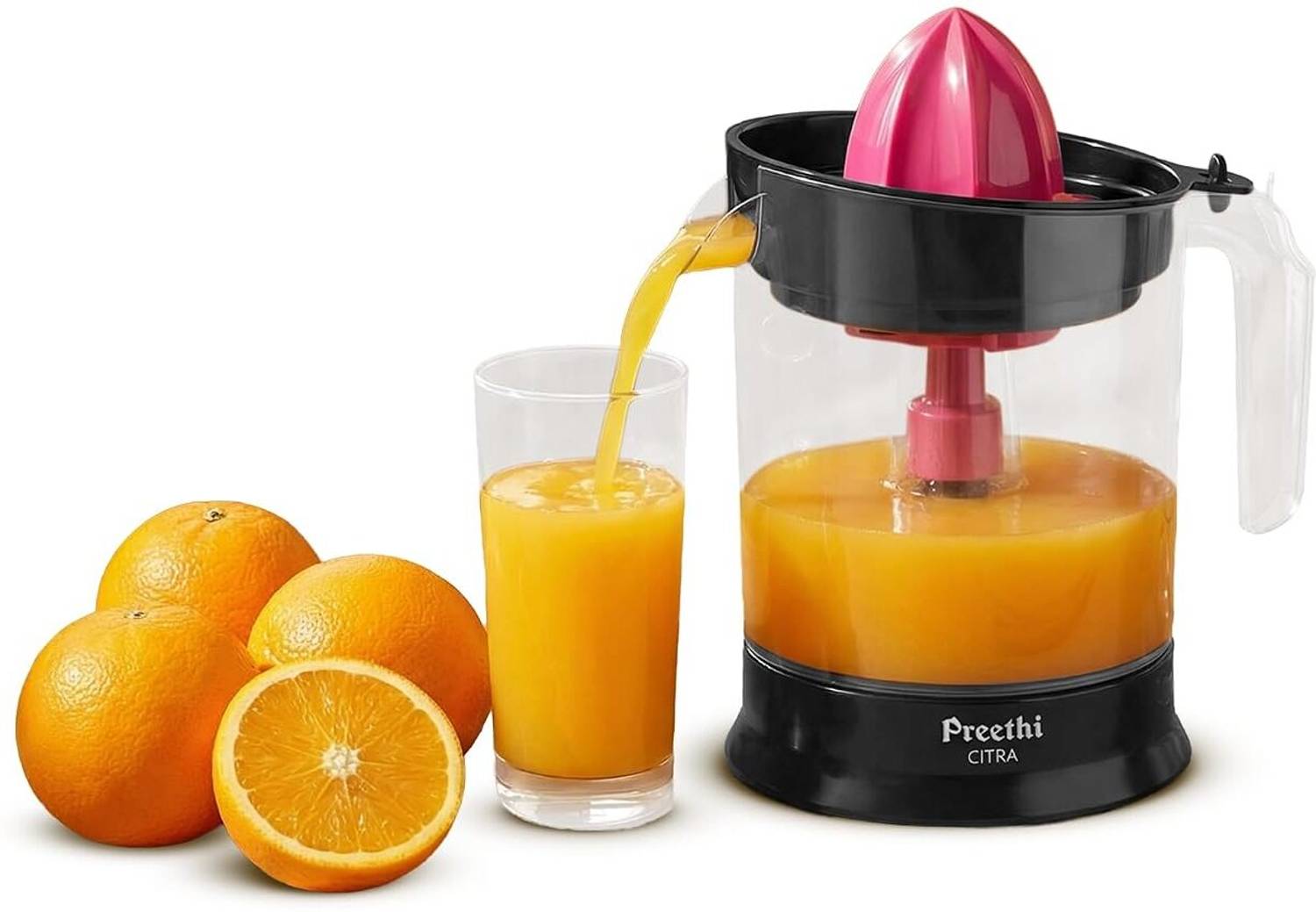
Preethi Citra Electric Juicer Extractor 25 W Juicer
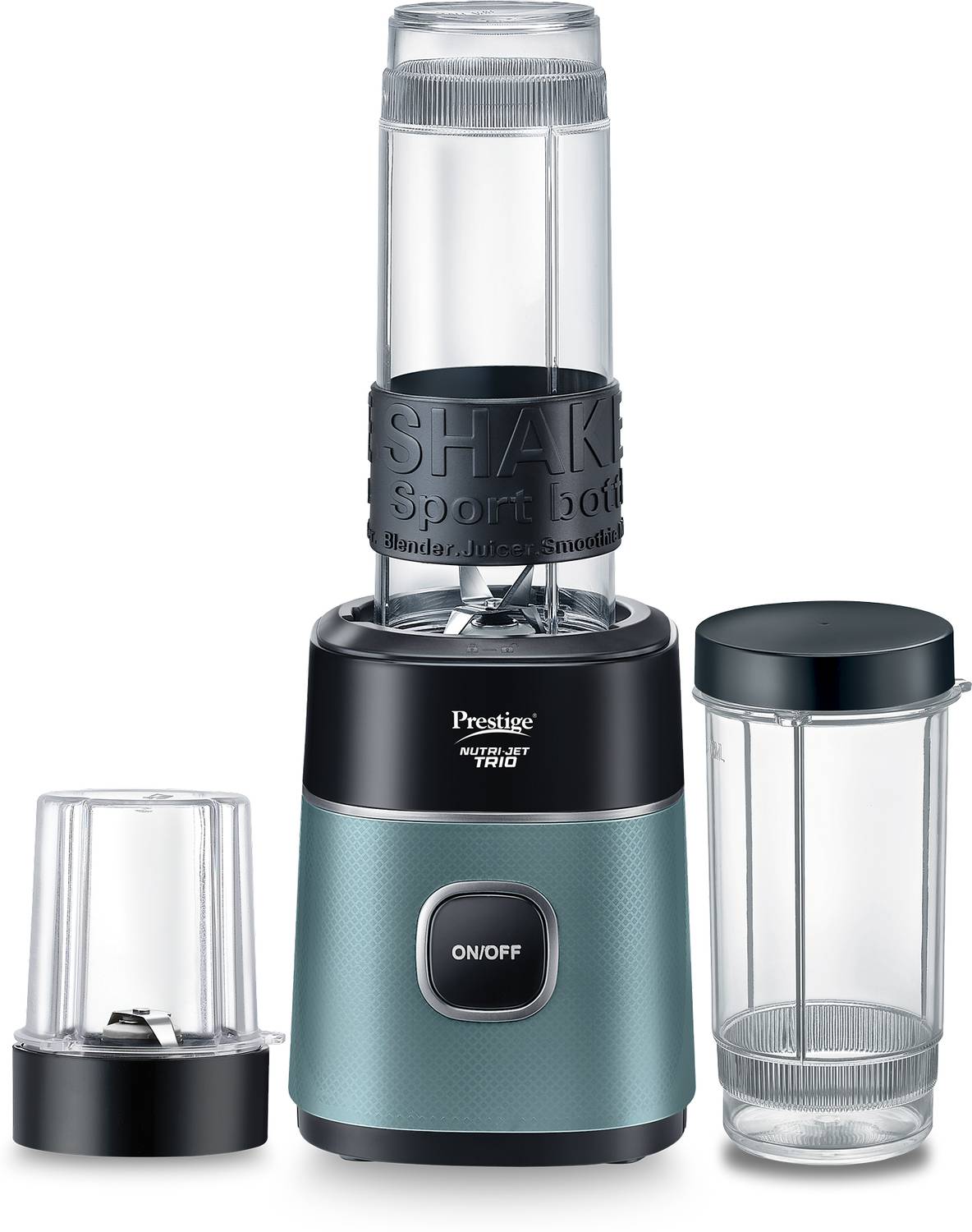
Prestige Tri 450 W Juicer Mixer Grinder
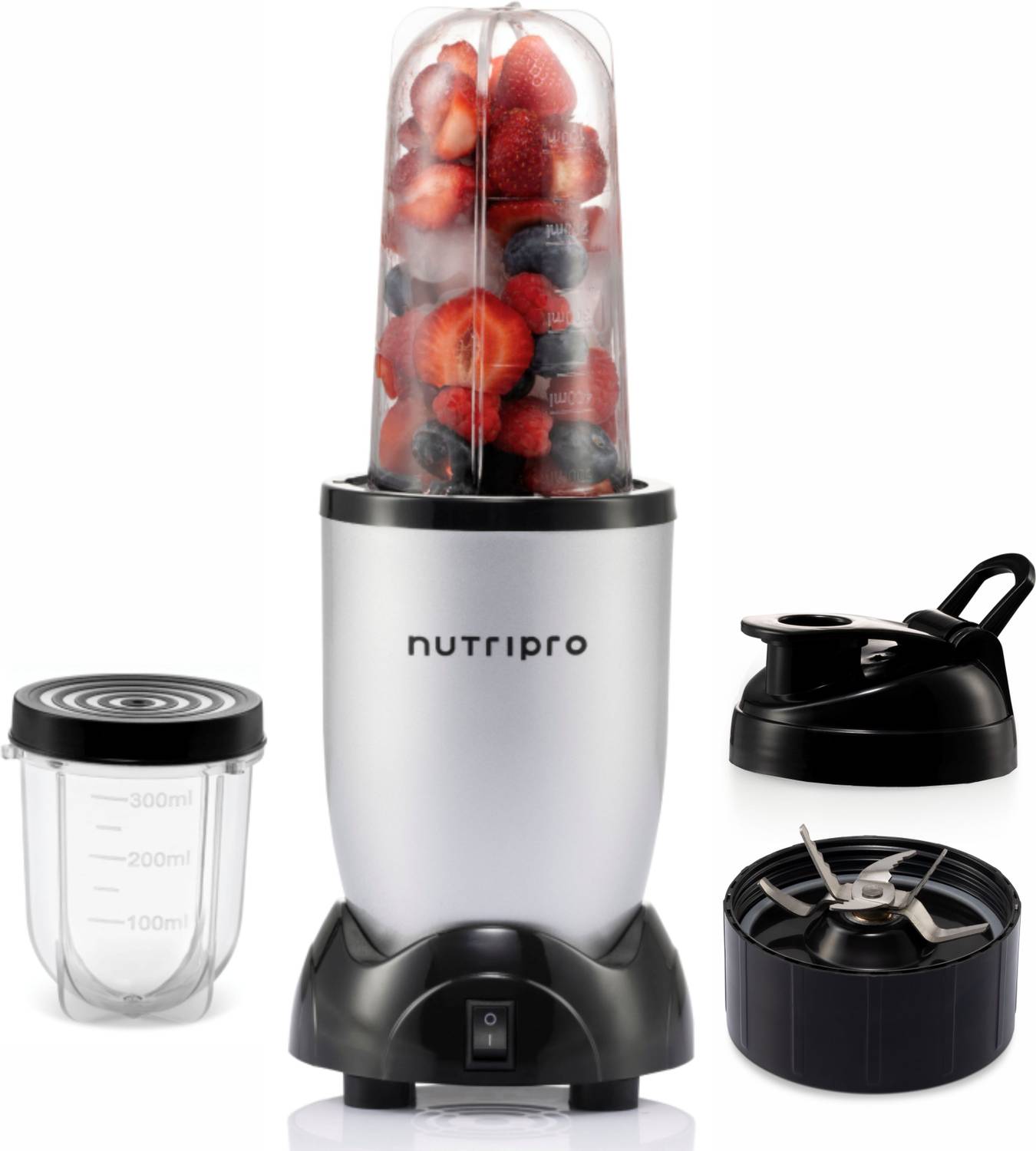
NutriPro Blender 500 W Juicer Mixer Grinder
Want the full ranked list with filters and prices?See all mixer grinders ranked ›
What actually matters when buying mixer grinders
What to expect at each budget
Who it’s for — the right mixer grinders by person
Common mistakes to avoid
- Buying purely on wattage. A 1000W machine with aluminium windings and cheap jars can underperform a well-built 750W copper-motor mixer, and it will draw more power for no benefit.
- Ignoring the service network. People buy an online-only brand to save ₹500, then wait weeks for a coupler or motor repair because there is no service centre in their city.
- Running the motor continuously beyond the rated cycle. Most home mixers are rated for short bursts (often 5 minutes on, a few minutes off). Grinding batter non-stop for 15 minutes cooks the motor.
- Overfilling the jar or grinding very hot ingredients. Filling past the max line strains the motor and can crack the jar lid; hot liquids build pressure and can blow the lid off.
- Skipping overload protection to save money. On tough loads like thick urad batter or dry turmeric roots, a mixer without a cut-off is the one most likely to burn out.
- Assuming the small jar can grind large spice quantities. Spice/chutney jars are small for a reason; forcing big dry loads dulls blades and overheats the motor.
Tips for buying in India
- Add a little water in stages when grinding wet batter rather than all at once; it eases the load on the motor and gives a smoother, better-aerated batter.
- Grind in short bursts of 30-60 seconds and let the motor rest, especially for dry spices and dense loads. This single habit is the biggest factor in mixer longevity.
- For dosa batter, soak and grind urad dal and rice separately, and keep the jar under three-quarters full so the blades circulate properly.
- Use a stabiliser or buy a higher-wattage model if your area has frequent voltage dips; low voltage makes the motor labour and heat up.
- Wash jars immediately after use, especially after turmeric, tamarind or chutney, to prevent staining and hard-water scaling on stainless steel.
- Keep the rubber coupler (the part between motor and jar) as a spare; it wears out with use and is a common, cheap failure point.
- Do not use the mixer to knead atta or grind large amounts of dry rice into flour unless it is explicitly rated for it; that is a wet grinder or flour mill job.
- Check that the model carries the ISI/BIS mark and has proper earthing on the plug; kitchen appliances near water sources need reliable electrical safety.
Frequently asked questions
Is 500W enough, or do I really need 750W?
For a small family doing light daily grinding, chutneys and occasional batter, 500W is enough. If you make idli-dosa batter regularly, cook for four or more people, or grind a lot of dry masala, 750W is the safer, longer-lasting choice. The extra headroom means the motor is not working at its limit every day.
Can a mixer grinder make idli and dosa batter, or do I need a wet grinder?
A good 750W mixer can make batter for a small-to-medium household, grinding in short batches with water added gradually. However, a stone wet grinder produces fluffier batter with less heat and can handle larger quantities in one go. If you make batter for six-plus people several times a week, a dedicated wet grinder or a combo unit is worth it.
How many jars do I actually need?
Three covers almost everyone: a large jar for wet grinding and batter, a medium jar for chutney and masala paste, and a small jar for dry spices and coffee. A fourth blender or juicer jar is a nice-to-have for lassi and smoothies but not essential.
Copper or aluminium motor winding, and how do I tell?
Copper windings run cooler and last longer, so prefer copper if it fits your budget. Manufacturers do not always advertise it clearly, so check the detailed spec sheet, ask the seller directly, or look at trusted reviews. Premium models are usually copper; very cheap ones are often aluminium (CCA).
Why does my mixer smell like burning?
A faint smell when a brand-new mixer runs for the first few times is normal as the varnish on the windings cures. A persistent burning smell during use means the motor is overloaded or overheating, usually from grinding too long without rest, an overfilled jar, or low voltage. Stop, let it cool, reduce the load, and if it continues, get it checked.
Which brand has the best after-sales service in India?
Service quality varies by city, but established brands like Preethi, Bajaj, Butterfly, Prestige and Philips generally have wider authorised service networks than newer online-only brands. Before buying, check whether there is an authorised service centre in your town, because coupler and motor repairs are the most common issues.
Can I grind hot ingredients or boiling liquids?
No. Let cooked or hot ingredients cool before grinding. Hot liquids build steam pressure inside a closed jar and can force the lid off, causing burns. Fill only up to the marked line and hold the lid when starting.
How long should a good mixer grinder last?
A well-built, well-maintained mixer from a reputable brand typically lasts 7-10 years. Life depends far more on usage habits (resting the motor, not overfilling, cleaning jars) and on your local voltage stability than on the price tag alone.