The masala dabba is the quiet hero of every Indian kitchen, the round box that keeps haldi, jeera, rai, dhania and salt within arm's reach of the stove so a tadka comes together in seconds. Because it lives right next to the flame and gets opened many times a day, it takes more daily wear than almost any other kitchen item, and the difference between a good one and a bad one shows up fast: a poorly sealed dabba lets spices lose their aroma, pick up kitchen moisture and go clumpy, especially in the monsoon.
The main choices are material, sealing and layout. Stainless steel is the traditional favourite because it is durable, hygienic and does not stain or absorb smells; plastic is light and cheap but can hold odours and colour over time; glass and acrylic let you see the spices but are heavier or more fragile. Just as important is whether the box has a single outer lid or a double lid, where each of the seven small katoris (bowls) also gets its own inner lid for a much better seal. The number of compartments, whether it comes with a spoon, and the overall size all decide how well it fits the way you cook.
This guide covers materials, single versus double lids, compartment count, spoons and airtightness, with realistic Indian price bands and the mistakes that leave your masalas stale. The goal is a dabba that keeps spices fresh and your daily cooking fast.
Our top spice boxes & masala dabbas picks

Shreenu Enterprise Spice Set Plastic

AVIAS Spice Set Stainless Steel
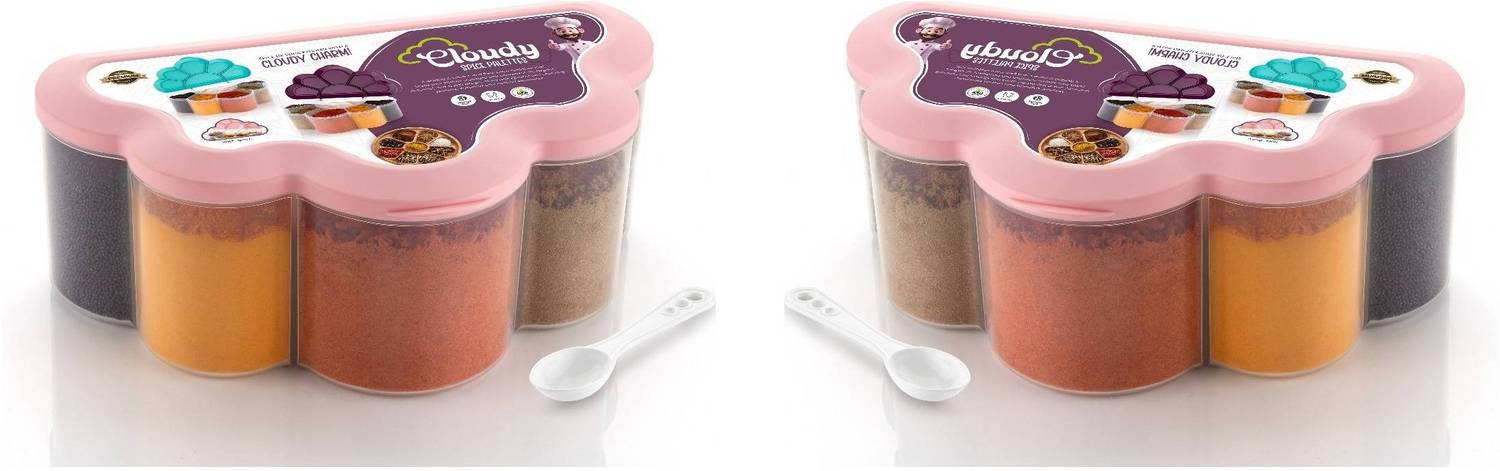
MAGICSPOON Spice Set Plastic
Want the full ranked list with filters and prices?See all spice boxes & masala dabbas ranked ›
What actually matters when buying spice boxes & masala dabbas
What to expect at each budget
Who it’s for — the right spice boxes & masala dabbas by person
Common mistakes to avoid
- Buying a single-lid box in a humid area when a double-lid dabba would keep each spice far fresher and stop aromas mixing.
- Choosing cheap plastic that stains yellow from haldi and holds onto strong spice smells within months.
- Using a wet or oily spoon in the katoris, which makes spices clump and go off quickly.
- Getting a box with too few or too-small compartments for the number of everyday spices you actually use.
- Overfilling the box and keeping it far from the stove, so it is awkward and you leave the lid open, letting steam in.
- Ignoring the outer lid's fit; a loose lid lets kitchen moisture in and dulls even fresh spices.
Tips for buying in India
- For humid regions and daily cooking, choose a double-lid steel dabba so each katori seals individually and spices stay aromatic longer.
- Keep the dabba near the stove for convenience but not directly in the path of rising steam, which adds moisture to the spices.
- Always use a dry spoon and keep the included spoon inside the box; never dip a wet or oily spoon into the katoris.
- Refill katoris from larger airtight jars rather than storing your whole spice stock in the dabba, so the working box stays fresh and small.
- Wipe the box and katoris clean and dry them fully before refilling, especially the rai and jeera which leave oily residue.
- Label opaque steel katoris or keep a fixed layout so you do not confuse similar-looking powders mid-cooking.
- During the monsoon, add a tiny food-safe silica sachet under the outer lid or keep salt in a separate small airtight katori, as salt draws moisture fastest.
- Buy a size that matches your everyday spice count; a seven-katori box suits most, but heavy cooks may want a larger or second box for extras.
Frequently asked questions
What is the difference between a single-lid and double-lid masala dabba?
A single-lid dabba has one outer lid covering all the katoris together, which is convenient but seals them as a group. A double-lid dabba adds an individual lid on each katori, so every spice is sealed separately, staying fresher and not mixing aromas, which is a real advantage in humid weather.
Is steel or plastic better for a masala dabba?
Stainless steel is generally better: it is durable, hygienic, and does not stain from turmeric or hold onto strong spice smells. Plastic is lighter and cheaper but tends to stain yellow and absorb odour over time, so steel is the more common long-term choice.
How many compartments should a masala dabba have?
Seven katoris is the standard and covers the usual haldi, jeera, rai, dhania, red chilli, salt and one spare. If you regularly use more everyday spices, look for boxes with extra compartments or keep a second smaller box rather than cramming everything in.
How do I keep spices from clumping in the dabba?
Keep moisture out: use a dry spoon only, keep the box away from direct steam, and choose a well-sealed lid, ideally a double-lid box in humid climates. Salt clumps fastest, so a tiny silica sachet or a separate airtight katori for salt helps during the monsoon.
Should the masala dabba be airtight?
As airtight as practical, yes. A snug outer lid, ideally with a silicone ring, and individual katori lids on double-lid boxes keep humidity out and aroma in. A perfectly loose press-on lid will let kitchen moisture dull your spices faster than you expect.
Do I need the little spoon that comes with it?
It is genuinely useful. A dedicated dry spoon kept in the box stops you reaching for a wet or oily cooking spoon, which is the quickest way to make spices clump and spoil. If your box does not include one, add a small dry spoon of your own.
Glass, steel or acrylic, which should I pick?
Steel is the most durable and hygienic, glass and acrylic let you see the spices at a glance but are heavier or more prone to cracking. A common compromise is a steel box with a clear acrylic inner lid, giving durability plus visibility of the katoris.
How often should I clean the masala dabba?
Wipe the katoris and box whenever you refill them, and give the whole thing a proper wash and full dry every few weeks, more often for the oily rai and jeera. Spice and oil residue can turn rancid, so keeping it clean and dry preserves both freshness and hygiene.