Good storage containers are what keep an Indian kitchen from waging a constant battle with soggy biscuits, weevils in the atta and dal that has picked up the smell of last month's spices. The Indian climate makes this harder than it sounds: the monsoon turns any poorly sealed jar into a moisture trap, and staples like rice, atta, sugar and namkeen all need genuinely airtight storage to stay fresh and pest-free. The single feature that matters most, therefore, is the quality of the airtight seal.
After the seal, the choice is about material and how the containers fit your kitchen. BPA-free food-grade plastic is light, cheap and shatterproof but can stain and hold smells; borosilicate glass is inert, microwave- and oven-safe and lets you see the contents but is heavy and breakable; stainless steel is tough and hygienic but opaque and cannot go in the microwave. Modular, stackable shapes save precious shelf space, and whether a container is fridge-, freezer- or microwave-safe decides how versatile it is.
This guide explains airtight seals, materials, BPA-free labels and the practical realities of monsoon humidity, along with realistic Indian price bands and the mistakes that lead to spoiled staples. The aim is a set of containers that actually keeps food fresh rather than a cupboard full of mismatched jars with warped lids.
Our top storage containers & jars picks
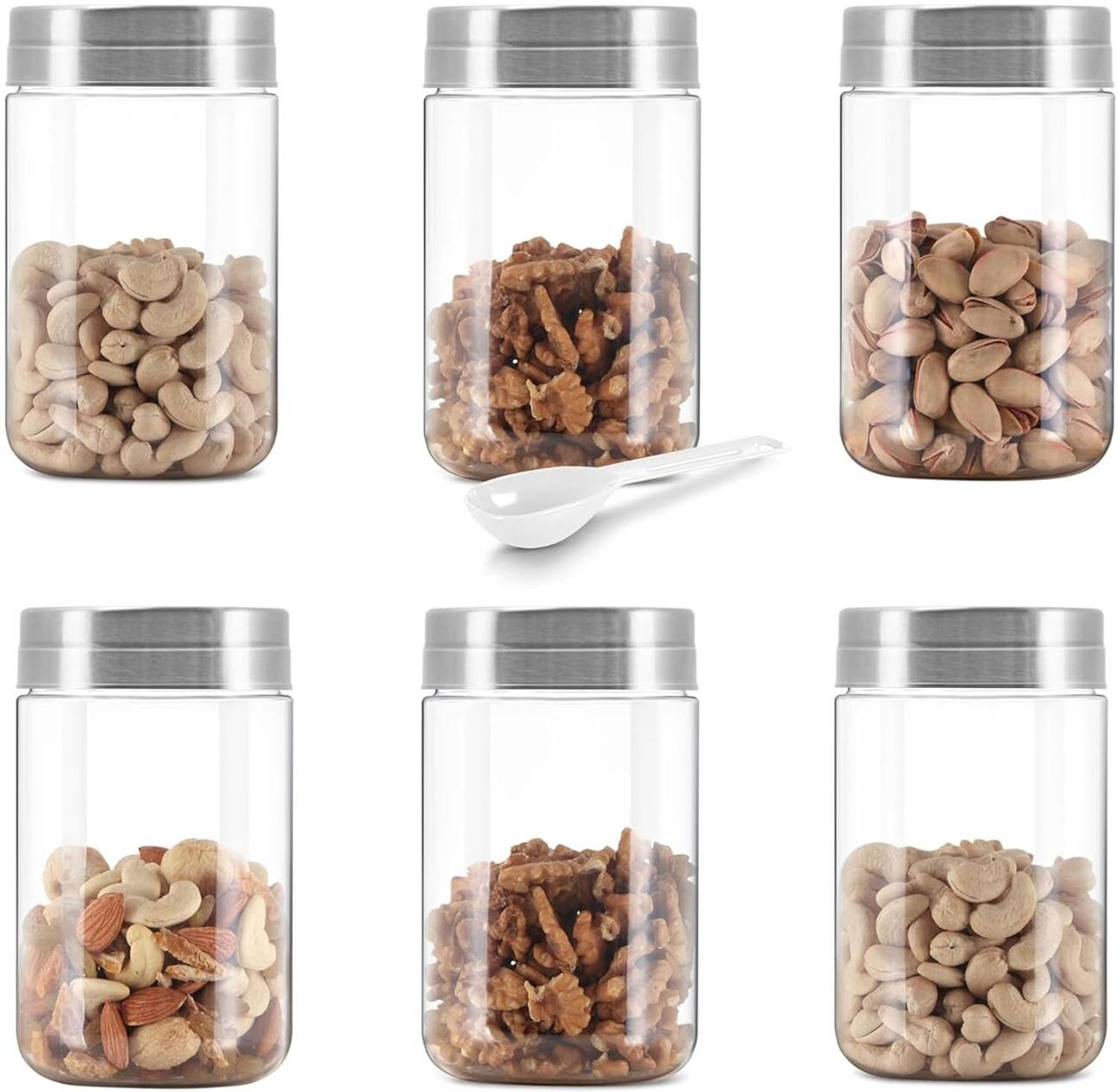
MILTON Plastic Grocery Container - 750 ml
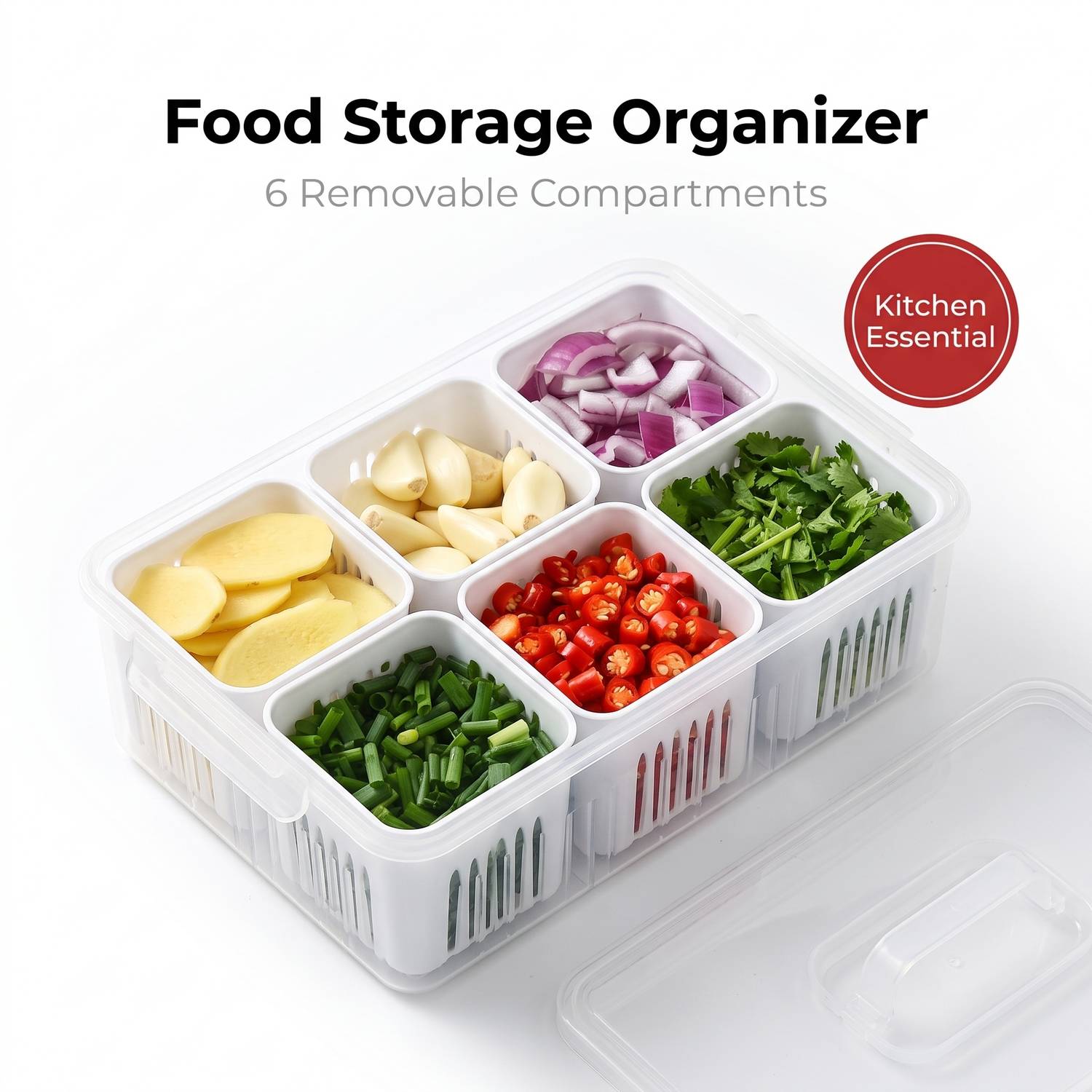
SOFITT Plastic Fridge Container - 2200 ml
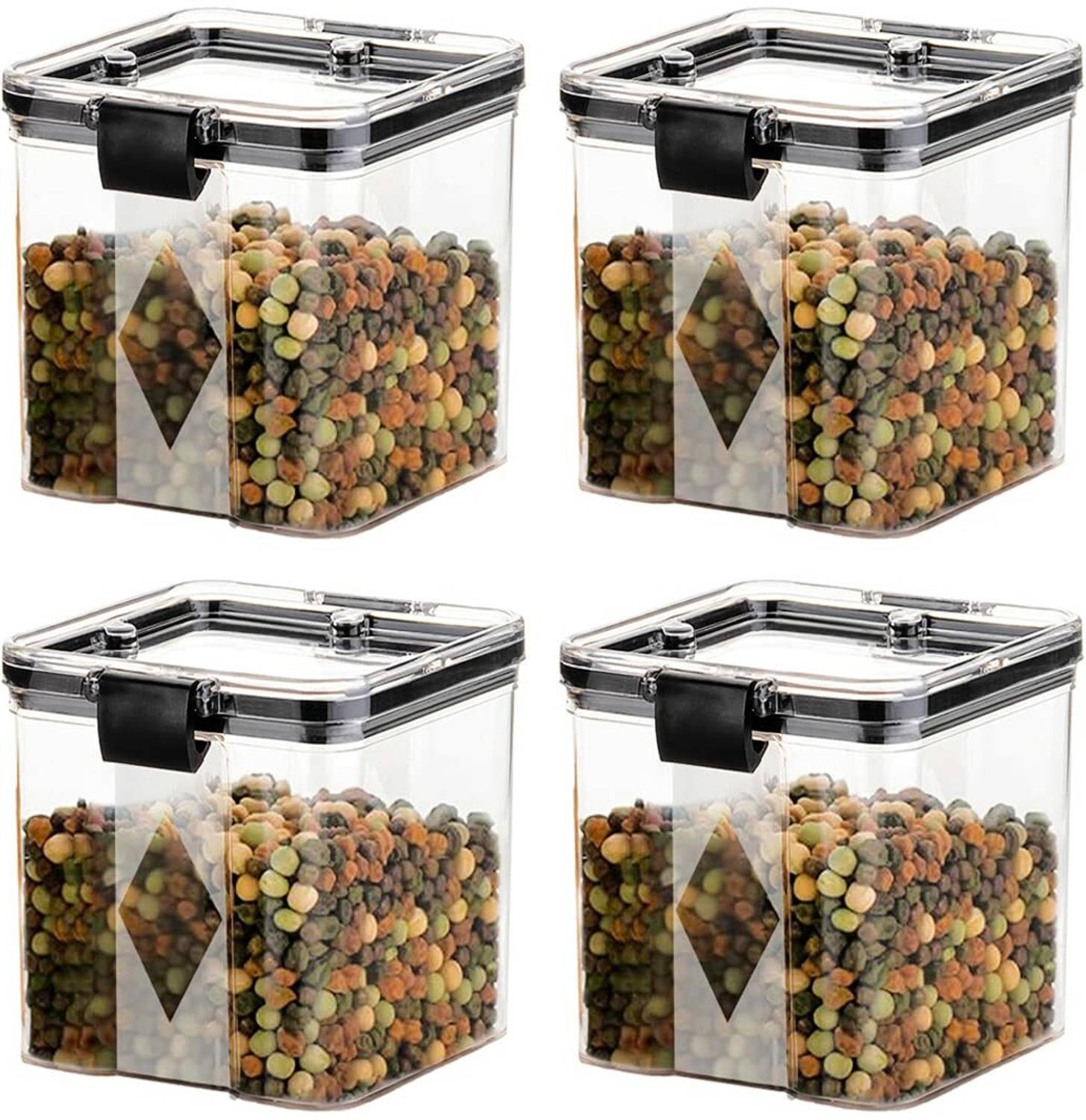
ENTRYZONE Plastic Grocery Container - 700 ml
Want the full ranked list with filters and prices?See all storage containers & jars ranked ›
What actually matters when buying storage containers & jars
What to expect at each budget
Who it’s for — the right storage containers & jars by person
Common mistakes to avoid
- Buying containers that are only snap-shut, not truly airtight, so biscuits and namkeen go soft and atta attracts weevils in the monsoon.
- Using unbranded plastic of unknown grade for long-term food storage instead of a BPA-free food-grade container.
- Putting non-microwave-safe plastic or steel in the microwave and warping or damaging it.
- Choosing round jars everywhere, which waste shelf and fridge space compared with square, stackable shapes.
- Storing hot food in thin plastic, which can warp the container and degrade cheaper plastics over time.
- Ignoring gasket quality, so lids lose their seal within months and the airtight claim stops meaning anything.
Tips for buying in India
- Prioritise the airtight seal for anything moisture-sensitive; a silicone gasket with a locking lid is what actually keeps biscuits crisp in the monsoon.
- Store atta, rice and dal in fully airtight containers and add a few dried neem leaves or bay leaves to help keep pests away naturally.
- Use clear borosilicate or transparent containers for items you check often, so you can see levels and spot spoilage without opening them.
- Pick square or rectangular stackable shapes for the pantry and fridge; they use noticeably more space efficiently than round jars.
- Let food cool before sealing it in a container; trapped steam creates condensation that spoils dry staples and encourages mould.
- Keep borosilicate glass for anything you will microwave or reheat, and reserve steel and opaque plastic for dry pantry storage.
- Wash and fully dry containers and gaskets between refills, especially before restocking flour or spices, to avoid trapped moisture.
- During the monsoon, do not overfill large jars; smaller, fully sealed portions stay fresher than one big jar opened repeatedly.
Frequently asked questions
How do I keep biscuits and namkeen crisp in the monsoon?
Store them in a genuinely airtight container with a silicone gasket, not just a snap-shut lid, and keep it closed except when serving. If humidity is severe, a food-safe silica gel sachet or a smaller container you open less often helps keep the contents crisp.
Which material is best for storage, plastic, glass or steel?
Use BPA-free food-grade plastic for light, everyday dry storage, borosilicate glass for anything you microwave or want to see through, and stainless steel for durable, hygienic dry storage. Most kitchens end up using a mix based on what each item needs.
What does airtight actually mean, and how do I check it?
Airtight means the lid seals with a gasket so air and moisture cannot get in, which is different from a lid that just snaps on. Check for a silicone ring and a locking or clamping lid, and test a container by sealing it and pressing; a good seal resists and springs back.
Is borosilicate glass worth the extra cost?
For many kitchens, yes. Borosilicate handles temperature changes well, is microwave- and oven-safe, does not stain or hold smells, and lets you see the contents. The downsides are weight and the risk of breaking if dropped, so it is best where its strengths matter.
Can I store hot food directly in these containers?
Let food cool first for plastic, since hot food can warp thin plastic and trapped steam causes condensation. Borosilicate glass and steel handle heat better, but even then it is best to cool food before sealing to keep the contents fresh.
Are stackable modular containers really better?
In a typical Indian kitchen with limited shelf and fridge space, yes. Square and rectangular stackable containers use space far more efficiently than round jars and make it easier to see and reach everything without a jumble.
How do I stop plastic containers from staining and smelling?
Avoid storing strongly coloured or spiced food like turmeric-heavy or tamarind dishes in cheap plastic, wash promptly, and dry fully. For odours, a baking-soda wipe or sunlight helps; badly stained or smelly plastic is best retired and replaced.
Are these containers safe in the fridge and freezer?
Many are, but check the label. Borosilicate glass generally handles fridge and freezer use, while some plastics can crack in the freezer if not rated for it. Never move glass straight from freezer to a hot oven without checking it is rated for that.